
Water Damage and Mold Prevention Tips for Phoenix Homeowners
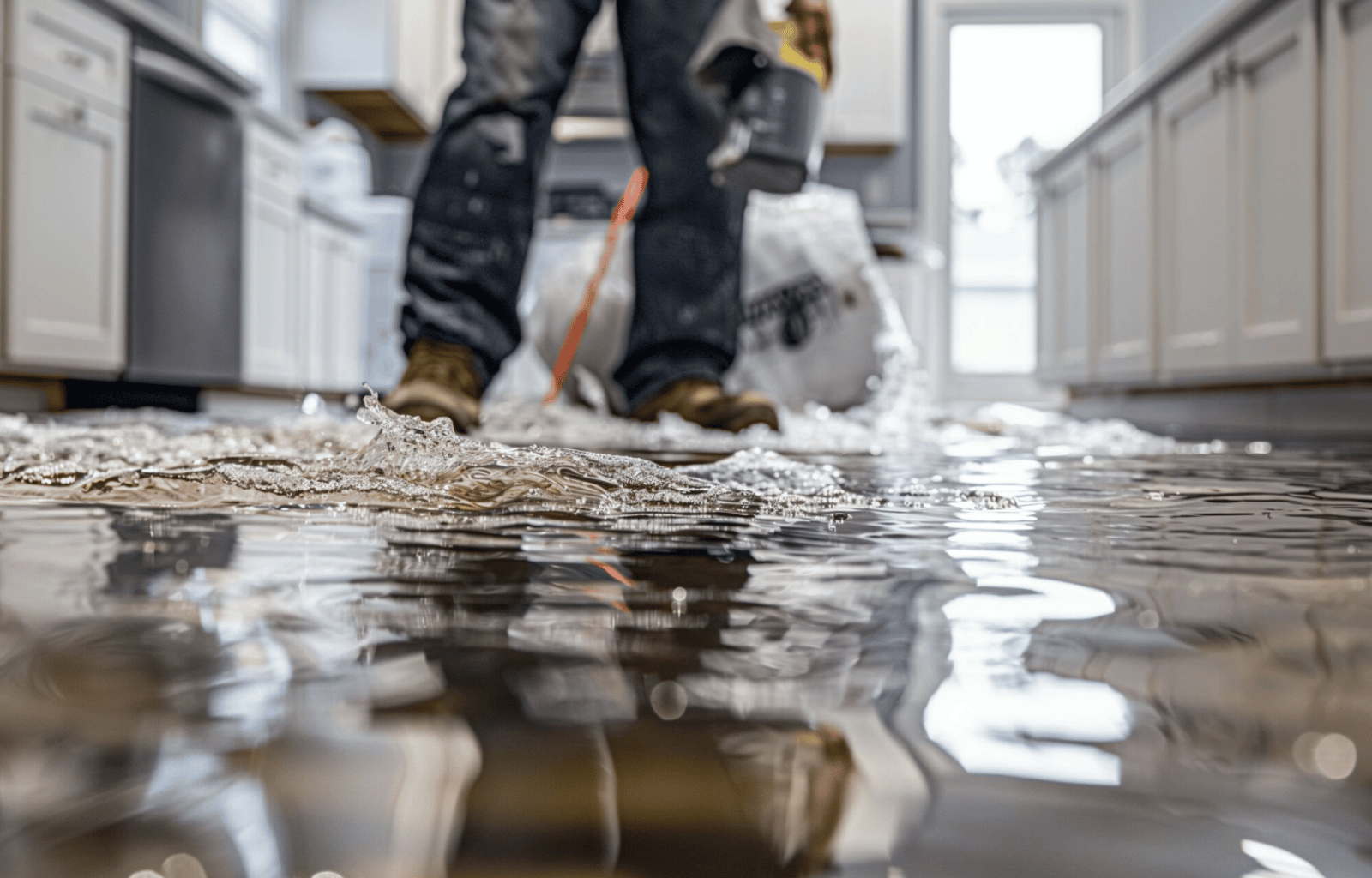
Living in Phoenix, AZ, you might think water damage and mold are concerns reserved for homeowners in humid, rainy climates. The reality is quite different. Phoenix faces a unique combination of monsoon flooding, aging plumbing infrastructure, extreme temperature swings, and desert soil conditions that make water damage one of the most common — and costly — homeowner insurance claims in the Valley.
The good news is that the vast majority of water damage and mold problems are preventable. With regular maintenance, smart home improvements, and a clear understanding of your home's vulnerabilities, you can protect your property and avoid the stress, expense, and health risks that come with water damage restoration.
This comprehensive guide covers everything Phoenix homeowners need to know about preventing water damage and mold growth — from simple monthly checks to long-term investments that pay for themselves many times over.
Understanding Your Home's Water Damage Risks in Phoenix
Before diving into prevention strategies, it helps to understand the specific threats Phoenix homes face. Your prevention plan should address each of these risk categories:
Plumbing System Failures
Plumbing issues are the number one cause of residential water damage in Phoenix. The city's hard water — which contains high levels of calcium and magnesium — accelerates corrosion in copper pipes, a material used extensively in Valley homes built between the 1960s and 1990s. Additionally, the extreme heat causes pipes in attics and exterior walls to expand and contract daily, weakening joints over time.
Common plumbing failure points include:
- Supply lines to toilets, washing machines, and dishwashers
- Hot water heater tanks and connections
- Slab leaks in copper pipes running beneath the foundation
- Outdoor irrigation connections and hose bibs
- Water softener system connections
Monsoon Storm Damage
Phoenix's monsoon season (June through September) brings intense thunderstorms capable of dropping several inches of rain in under an hour. This overwhelms storm drains, floods streets, and forces water into homes through multiple pathways. Flood damage from monsoons is particularly destructive because the water carries debris, soil, and contaminants.
Appliance Failures
The average Phoenix home contains multiple appliances that use water — and each one is a potential source of damage. Dishwashers, washing machines, refrigerators with ice makers, water heaters, and HVAC systems all have supply lines, drain connections, and internal components that can fail. Appliance leaks are especially problematic because they often start small and go unnoticed until significant damage has occurred.
Roof and Exterior Vulnerabilities
Phoenix's intense UV radiation breaks down roofing materials faster than in less extreme climates. Cracked tiles, deteriorated flashing, and dried-out sealant around vents and skylights create entry points for water during monsoon rains. The typical Phoenix tile roof lasts 20 to 30 years, but individual tiles can crack from thermal expansion or hail damage much sooner.
Monthly Prevention Checklist
Set a recurring monthly reminder to run through this quick inspection:
Check Under All Sinks
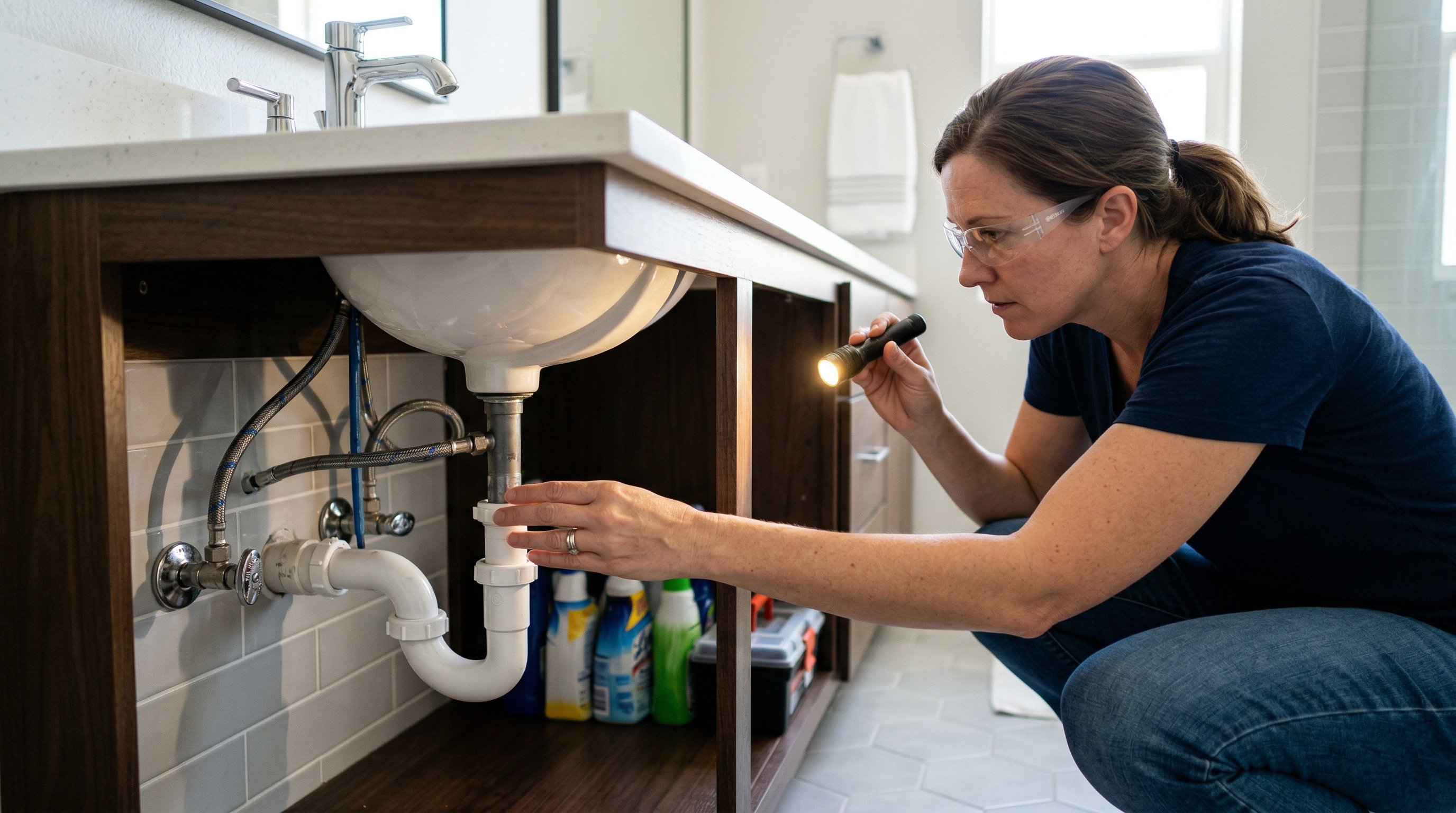
Open the cabinets beneath every sink in your home — kitchen, bathrooms, laundry room. Look for any signs of moisture, drips, water stains, or musty odors. Check the supply line connections and drain pipes for corrosion or mineral buildup. A flashlight helps you see into the back corners where leaks often start.
Inspect Appliance Connections
Pull your washing machine away from the wall far enough to inspect the supply hoses. Look for bulging, cracking, or weeping at the connections. Check behind and under the dishwasher for moisture. Inspect the area around your water heater for any pooling water or rust stains on the floor.
Test Your Water Heater's Relief Valve
The temperature and pressure (T&P) relief valve on your water heater is a critical safety device. Lift the lever briefly to verify water flows freely, then release to confirm it seals properly. A valve that doesn't release or doesn't reseal needs replacement before it fails catastrophically.
Walk Your Home's Perimeter
After any rain event, walk around your home's exterior and look for standing water near the foundation, erosion patterns that direct water toward the house, and clogged or disconnected downspout extensions. Verify that the ground slopes away from the foundation on all sides.
Check HVAC Condensate Lines
Your air conditioning system produces a significant amount of condensation — especially during Phoenix summers when your AC runs almost continuously. Verify the condensate drain line is flowing freely and the drip pan isn't overflowing. A clogged condensate line is one of the most common causes of water damage in Phoenix attics and ceilings.
Seasonal Prevention: Preparing for Monsoon Season
Every year before June, take these steps to prepare your home for monsoon storms:
Roof Inspection
Have a professional roofer inspect your roof annually, ideally in April or May before monsoon season begins. They should check for cracked or displaced tiles, deteriorated flashing around chimneys and vents, damaged underlayment, and compromised sealant. A roof leak during a monsoon can cause extensive interior damage very quickly.
Clean Gutters and Downspouts
While many Phoenix homes don't have traditional gutter systems, those that do need them cleaned thoroughly before monsoon season. Remove all debris, check for proper slope and alignment, and ensure downspouts extend at least 6 feet from the foundation. Consider installing gutter guards to reduce maintenance needs.
Grade and Drainage Assessment
Check that the soil around your foundation slopes away from the house at a minimum of 6 inches drop over the first 10 feet. Over time, soil settles and landscaping changes can alter drainage patterns. If water pools near your foundation during rain, consider installing French drains or other exterior drainage solutions.
Seal Windows and Doors
Inspect the weatherstripping and caulking around all exterior windows and doors. Phoenix's UV radiation and heat degrade these seals quickly. Replace cracked or missing caulk and install or replace weatherstripping on doors that allow daylight (or water) to pass through.
Test Your Sump Pump
If your home has a sump pump, test it before monsoon season by pouring water into the pit until the float triggers the pump. Verify it activates properly and pumps water out through the discharge line. Replace the battery backup if it's more than two years old.
Long-Term Prevention Investments
These improvements require upfront investment but provide lasting protection against water damage:
Replace Supply Lines With Braided Stainless Steel
Standard rubber supply hoses for washing machines, dishwashers, and toilets are the most common point of failure in residential plumbing. They typically last only 3 to 5 years before becoming prone to bursting. Braided stainless steel supply lines cost just $10 to $20 each and last significantly longer. This simple upgrade prevents one of the most common causes of catastrophic water damage.
Install Water Leak Detection Sensors
Smart water leak detectors placed near water heaters, washing machines, dishwashers, under sinks, and near HVAC units can alert you to leaks before they cause major damage. Advanced systems can even shut off your home's main water supply automatically when a leak is detected. This technology is especially valuable if you travel frequently or own a vacation property in Phoenix.
Upgrade to a Tankless Water Heater
Traditional tank water heaters are one of the most common sources of catastrophic water damage when they fail. A 50-gallon tank releasing its contents into your home creates an instant emergency. Tankless water heaters eliminate this risk entirely by heating water on demand without storing it. While more expensive upfront, they also reduce energy costs and last longer than tank models.
Install Backflow Prevention
A backflow prevention system stops sewage from flowing backward into your home during heavy rains when municipal sewer systems become overwhelmed. This is particularly important in older Phoenix neighborhoods where aging sewer infrastructure is common.
Crawl Space Encapsulation
If your Phoenix home has a crawl space, encapsulation with a heavy-duty moisture barrier prevents ground moisture from migrating into your home's structure. Combined with a dehumidifier, this investment protects against wood rot, mold growth, and foundation damage.
Foundation Waterproofing
Professional waterproofing">waterproofing treatments applied to your foundation's exterior walls prevent moisture from penetrating the concrete. This is especially important for homes in flood-prone areas or those with recurring foundation moisture issues.
Mold Prevention Strategies
Mold prevention in Phoenix focuses on controlling moisture — the one ingredient mold needs that you can actually manage. Without moisture, mold cannot grow regardless of how many spores are present.
Maintain Indoor Humidity Below 50%
Use a hygrometer to monitor your home's humidity levels. While Phoenix's outdoor humidity is typically low, indoor humidity can spike from cooking, showering, irrigation overspray entering through windows, and evaporative cooler use. If indoor humidity consistently exceeds 50%, use a dehumidifier or adjust your HVAC settings.
Ensure Proper Ventilation
Run exhaust fans during and for 30 minutes after showers and baths. Use range hoods while cooking. Ensure your dryer vents to the exterior, not into the attic or garage. Proper ventilation removes moisture at its source before it can settle on surfaces and promote mold growth.
Act Immediately After Any Water Event
Whether it's a spill, a leak, or condensation, dry affected areas within 24 hours. Mold can begin colonizing in as little as 24 to 48 hours in Phoenix's warm conditions. Quick action with towels, fans, and dehumidifiers can prevent a minor water event from becoming a mold remediation project.
Don't Carpet Moisture-Prone Areas
Avoid installing carpet in bathrooms, laundry rooms, kitchens, or below-grade spaces. Carpet traps moisture and is extremely difficult to dry once wet. Use tile, vinyl, or other water-resistant flooring in areas where water exposure is likely.
Clean and Maintain HVAC Systems
Your HVAC system circulates air throughout your entire home, including any mold spores present. Regular maintenance — including filter changes every 1 to 3 months, annual professional servicing, and condensate line cleaning — reduces the risk of mold taking hold in your ductwork and spreading throughout the house.
What to Do If Prevention Fails
Despite your best efforts, water damage can still occur. If it does, the speed of your response determines the outcome.
Act Within the First 24 Hours
If you discover water damage, take immediate action. Stop the water source, remove standing water, move belongings away from affected areas, and call for professional assessment. The first 24 hours are critical for preventing mold growth and limiting structural damage.
Call Professionals for Anything Beyond a Small Spill
If water has reached walls, gone under flooring, or affected an area larger than a few square feet, professional water damage restoration is the safe choice. Professionals have thermal imaging and moisture detection equipment that finds hidden water homeowners can't see. Missing even a small pocket of trapped moisture can lead to mold growth weeks later.
Document Everything for Insurance
Before cleaning up, photograph and video the damage thoroughly. Document the water source, the extent of affected areas, and any damaged belongings. This documentation is essential for your insurance claim. Understanding your insurance coverage helps you know what to expect during the claims process.
Frequently Asked Questions
How often should I have my plumbing inspected in Phoenix?
We recommend annual plumbing inspections for Phoenix homes, with additional focus on homes more than 20 years old. The combination of hard water and temperature extremes accelerates pipe deterioration. A professional plumber can identify corrosion, weakened connections, and early signs of failure before a catastrophic leak occurs.
Can Phoenix's dry climate actually cause water damage?
Indirectly, yes. Extreme heat causes materials to expand and contract, weakening pipe joints, roof sealant, and caulking over time. The dry climate also causes soil to shrink away from foundations, creating gaps where water can enter during monsoon rains. Then when the soil absorbs water, it expands and pushes against the foundation, potentially causing cracks.
Is mold really a problem in Phoenix?
Absolutely. While Phoenix's outdoor humidity is low, indoor environments create plenty of conditions for mold growth. Air conditioning condensation, plumbing leaks, monsoon flooding, and evaporative cooler use all introduce moisture into homes. Once moisture is present, Phoenix's warm temperatures actually accelerate mold growth compared to cooler climates.
What's the single most effective water damage prevention measure?
Installing smart water leak detection sensors with automatic shutoff capability provides the highest return on investment. These systems can detect a leak and shut off your water supply within seconds, preventing a minor failure from becoming a major disaster. Many insurance companies even offer premium discounts for homes with these systems installed.
How much can water damage prevention save me?
The average water damage insurance claim in Arizona is $11,000 to $13,000, and out-of-pocket costs for uninsured damage can be much higher. Most prevention measures — from replacing supply hoses to installing leak sensors — cost a fraction of a single water damage event. Regular maintenance and prevention investments typically pay for themselves within the first avoided incident.
Prevention Is Your Best Defense
Water damage and mold don't have to be inevitable consequences of homeownership in Phoenix. With a proactive approach to maintenance, seasonal preparation, and smart home improvements, you can dramatically reduce your risk and protect your home, your health, and your investment for years to come.
If you have questions about your home's water damage vulnerabilities, or if you've already noticed signs of moisture problems, don't wait for the situation to worsen. A professional assessment can identify risks you might miss and recommend targeted solutions.
Phoenix Water Damage Restoration is a trusted choice for commercial & residential water damage restoration in Phoenix, AZ, delivering fast response times, expert drying, and full-service restoration.
Call Us 24/7: (623) 300-3108
Easy steps to create a color palette
Lorem ipsum dolor sit amet, consectetur adipiscing elit lobortis arcu enim urna adipiscing praesent velit viverra sit semper lorem eu cursus vel hendrerit elementum morbi curabitur etiam nibh justo, lorem aliquet donec sed sit mi dignissim at ante massa mattis.
- Neque sodales ut etiam sit amet nisl purus non tellus orci ac auctor
- Adipiscing elit ut aliquam purus sit amet viverra suspendisse potent
- Mauris commodo quis imperdiet massa tincidunt nunc pulvinar
- Excepteur sint occaecat cupidatat non proident sunt in culpa qui officia
What is a color palette?
Vitae congue eu consequat ac felis placerat vestibulum lectus mauris ultrices cursus sit amet dictum sit amet justo donec enim diam porttitor lacus luctus accumsan tortor posuere praesent tristique magna sit amet purus gravida quis blandit turpis.

Don’t overspend on growth marketing without good retention rates
At risus viverra adipiscing at in tellus integer feugiat nisl pretium fusce id velit ut tortor sagittis orci a scelerisque purus semper eget at lectus urna duis convallis porta nibh venenatis cras sed felis eget neque laoreet suspendisse interdum consectetur libero id faucibus nisl donec pretium vulputate sapien nec sagittis aliquam nunc lobortis mattis aliquam faucibus purus in.
- Neque sodales ut etiam sit amet nisl purus non tellus orci ac auctor
- Adipiscing elit ut aliquam purus sit amet viverra suspendisse potenti
- Mauris commodo quis imperdiet massa tincidunt nunc pulvinar
- Adipiscing elit ut aliquam purus sit amet viverra suspendisse potenti
What’s the ideal customer retention rate?
Nisi quis eleifend quam adipiscing vitae aliquet bibendum enim facilisis gravida neque euismod in pellentesque massa placerat volutpat lacus laoreet non curabitur gravida odio aenean sed adipiscing diam donec adipiscing tristique risus amet est placerat in egestas erat.
“Lorem ipsum dolor sit amet consectetur adipiscing elit, sed do eiusmod tempor incididunt ut labore et dolore magna aliqua enim ad minim veniam.”
Next steps to increase your customer retention
Eget lorem dolor sed viverra ipsum nunc aliquet bibendum felis donec et odio pellentesque diam volutpat commodo sed egestas aliquam sem fringilla ut morbi tincidunt augue interdum velit euismod eu tincidunt tortor aliquam nulla facilisi aenean sed adipiscing diam donec adipiscing ut lectus arcu bibendum at varius vel pharetra nibh venenatis cras sed felis eget.