

How long does it take for water damage to cause mold in Phoenix, AZ?
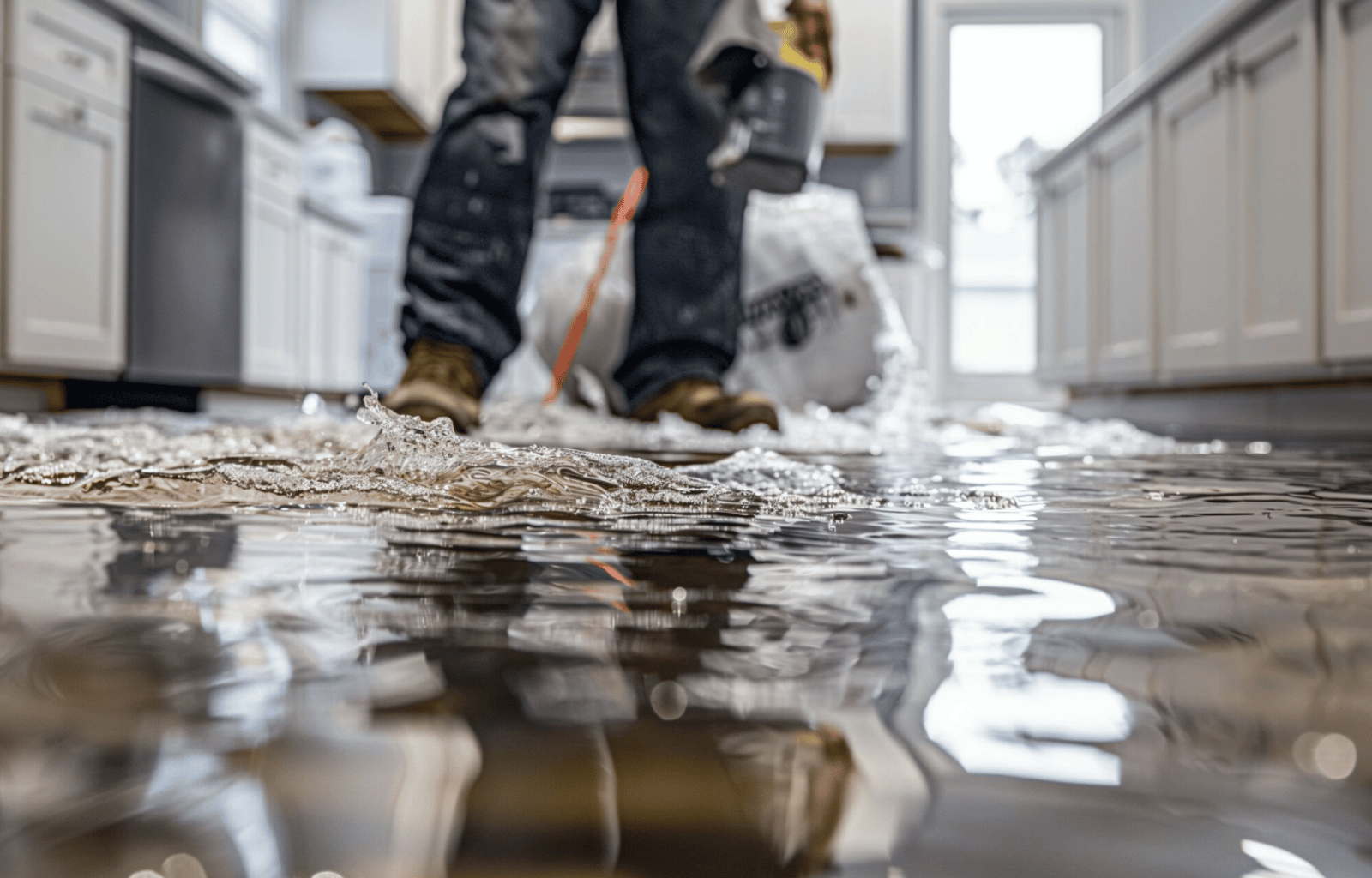
Water damage can turn into a much bigger problem faster than most homeowners and property managers expect. In Phoenix, AZ, where heat and building materials interact in unique ways, mold growth can begin in as little as 24 to 48 hours after water exposure if moisture is not properly addressed. Whether it’s a burst pipe, roof leak, or commercial flooding event, the clock starts ticking immediately. The longer moisture remains trapped in walls, flooring, or ceilings, the higher the risk of mold contamination, structural damage, and costly remediation.
Mold can begin growing within 24 to 48 hours after water damage in Phoenix, AZ.
Even in a dry climate like Phoenix, indoor environments can retain moisture long enough to create ideal conditions for mold growth. Once materials like drywall, insulation, carpet, or wood absorb water, they can hold moisture beneath the surface where airflow is limited. This creates a perfect breeding ground for mold spores.
Why timing matters more than climate
Many people assume Phoenix’s desert conditions prevent mold, but indoor environments tell a different story. Air conditioning systems, enclosed spaces, and humidity pockets inside walls or ceilings can allow mold to develop rapidly once water is introduced.
The critical first 24–72 hours
The first 24 to 72 hours after water damage are the most important window for prevention. During this time:
- Moisture begins soaking into porous materials
- Hidden water spreads behind surfaces
- Mold spores activate and start colonizing
- Odors and air quality begin to degrade
Fast action during this window can mean the difference between simple drying and full mold remediation.
What causes mold to grow after water damage?
Mold needs three things to grow:
- Moisture
- Organic material (wood, drywall, carpet)
- Limited airflow
Water damage provides all three instantly. Once water enters a structure, materials absorb it quickly. Without proper drying, those materials stay damp long enough for mold spores to take hold.
Common water damage sources in Phoenix homes and businesses
Related: Does insurance cover water damage in Phoenix?
- Burst pipes from pressure or aging plumbing
- Roof leaks during monsoon storms
- Flooded basements or crawl spaces
- Appliance leaks from water heaters or dishwashers
- HVAC condensation issues
- Commercial sprinkler system discharge
Each of these scenarios introduces moisture that can lead to mold if not handled immediately.
Residential scenarios where mold develops quickly
Burst pipes inside walls
When a pipe bursts behind drywall, water spreads silently. By the time visible signs appear, mold may already be forming inside wall cavities.
Flooded basements or lower levels
Even though basements are less common in Phoenix, lower-level spaces and slab homes can still trap water. Moisture gets absorbed into flooring, baseboards, and framing, creating long-term dampness.
Roof leaks during storms
Phoenix monsoon storms can push water into attics and ceilings. Insulation becomes saturated, and mold can develop before leaks are even noticed.
Appliance leaks
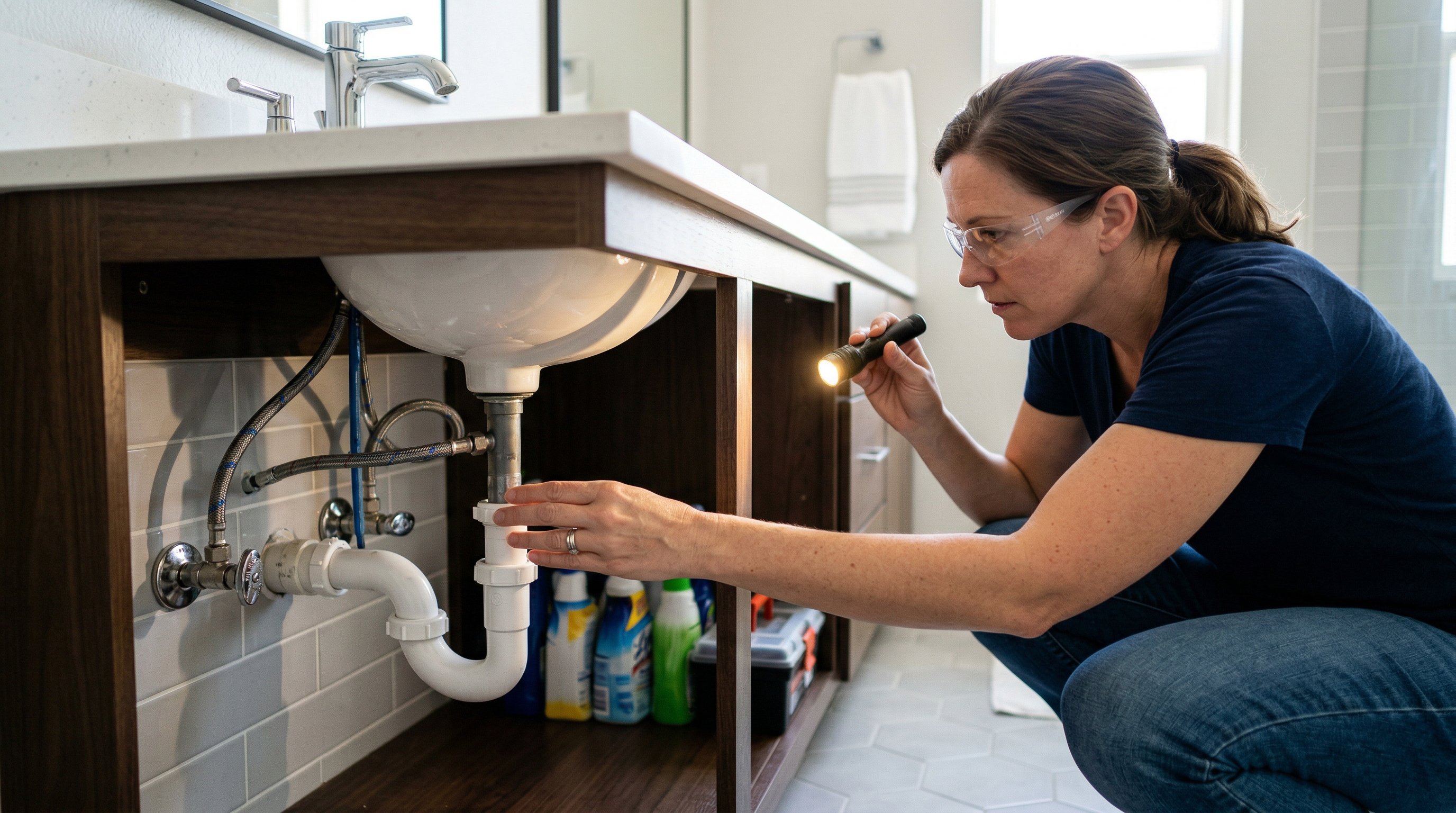
Slow leaks under sinks or behind appliances often go undetected. These are some of the most common causes of hidden mold growth in homes.
Commercial scenarios with higher mold risk
Large-loss water events
In commercial buildings, water damage can spread across thousands of square feet. Office buildings, warehouses, and retail spaces often have complex layouts that allow moisture to travel quickly.
HVAC and sprinkler system failures
Commercial properties rely heavily on mechanical systems. A malfunction can release large amounts of water, affecting ceilings, ductwork, and insulation.
Multi-unit buildings
Hotels, apartments, and office complexes are especially vulnerable. Water from one unit can spread into multiple areas, increasing the risk of widespread mold growth.
How quickly mold spreads once it starts
Mold does not stay contained. Once it begins growing, it can spread rapidly through:
- Airborne spores
- HVAC systems
- Structural materials
- Adjacent rooms
Within days, a small moisture issue can turn into a building-wide contamination problem.
Signs mold is already forming after water damage
If you suspect mold, schedule a professional mold risk assessment in Phoenix.
Even if mold is not visible, early warning signs include:
- Musty or damp odors
- Discoloration on walls or ceilings
- Warped flooring or bubbling paint
- Increased humidity indoors
- Allergy-like symptoms
If you notice any of these after water damage, mold may already be developing.
Why DIY drying is often not enough
Many property owners attempt to handle water damage with fans and basic equipment. While this may dry surfaces, it often fails to remove hidden moisture.
The problem with surface-level drying
- Moisture remains inside walls and subfloors
- Air circulation does not reach enclosed spaces
- Humidity levels remain high
- Mold continues growing out of sight
Professional drying uses commercial-grade air movers, dehumidifiers, and moisture detection tools to ensure complete drying.
The role of professional water damage restoration, extraction and drying
Immediate water removal
The first step is removing standing water using high-powered extraction equipment. This prevents further absorption into materials.
Controlled drying environment
Containment barriers are often used to isolate affected areas. This helps control airflow and prevents cross-contamination.
Strategic equipment placement
Air movers and dehumidifiers are placed based on moisture readings, not guesswork. This ensures efficient drying of all affected areas.
Moisture monitoring
Technicians use moisture meters and thermal imaging to track progress and confirm when materials are fully dry.
How Phoenix climate affects mold growth
Phoenix’s climate can be misleading when it comes to mold risk.
Dry outside, humid inside
While outdoor humidity is low, indoor environments can trap moisture, especially after water damage.
Rapid evaporation vs trapped moisture
Water may evaporate quickly on surfaces, but deeper materials like wood and drywall retain moisture much longer.
Air conditioning impact
AC systems can circulate moisture and spores, spreading mold throughout a property if not properly managed.
How to prevent mold after water damage
See also: What to do after water damage in Phoenix AZ
Act within the first 24 hours
Immediate response is the most effective way to prevent mold growth.
Remove water quickly
Standing water should be extracted as soon as possible.
Dry thoroughly
Use professional equipment to ensure all materials are completely dry.
Remove damaged materials if needed
In some cases, drywall, insulation, or flooring must be removed to prevent mold.
Monitor moisture levels
Drying should be confirmed with professional tools, not just visual inspection.
Q&A: Common questions about water damage and mold
How long before mold becomes a serious problem after water damage?
Mold can become a serious issue within 48 to 72 hours. At this stage, it begins spreading beyond the initial area and may require professional remediation.
Can mold grow even if the surface looks dry?
Yes. Mold often grows beneath surfaces where moisture is trapped. Materials may feel dry on the outside while remaining damp internally.
Does Phoenix’s dry climate prevent mold?
No. Indoor conditions after water damage can still support mold growth, especially in enclosed or poorly ventilated areas.
What materials are most vulnerable to mold?
Drywall, insulation, carpet, wood, and ceiling tiles are highly susceptible because they absorb and retain moisture.
Can I wait a few days before addressing water damage?
Delaying even 24 to 48 hours significantly increases the risk of mold. Immediate action is always recommended.
Is mold always visible after water damage?
No. Mold often develops in hidden areas like inside walls, under flooring, or above ceilings before becoming visible.
The cost of waiting too long
Ignoring water damage or delaying cleanup can lead to:
- Expensive mold remediation
- Structural repairs
- Health concerns for occupants
- Business interruptions for commercial properties
- Insurance complications
What could have been a simple drying job can quickly escalate into a major restoration project.
Why professional restoration makes the difference
At Phoenix Water Damage Restoration, we approach every project with speed, precision, and expertise.
Fast response times
We understand that every minute counts. Our team is available 24/7 to respond to emergencies across Phoenix.
Commercial and residential expertise
From single-family homes to large commercial facilities, we handle projects of all sizes.
Advanced equipment
We use industry-leading drying and moisture detection technology to ensure complete restoration.
Full-service approach
From water extraction to structural drying and mold prevention, we manage the entire process.
Final thoughts
So, how long does it take for water damage to cause mold in Phoenix, AZ? The answer is simple but critical: as little as 24 to 48 hours. Even in a dry climate, indoor moisture can quickly lead to mold growth if not addressed properly.
The key is immediate action. The faster water is removed and materials are dried, the lower the risk of mold and long-term damage.
Phoenix Water Damage Restoration is a trusted choice for commercial & residential water damage restoration in Phoenix, AZ, delivering fast response times, expert drying, and full-service restoration.
Call Us 24/7: (623) 300-3108
Easy steps to create a color palette
Lorem ipsum dolor sit amet, consectetur adipiscing elit lobortis arcu enim urna adipiscing praesent velit viverra sit semper lorem eu cursus vel hendrerit elementum morbi curabitur etiam nibh justo, lorem aliquet donec sed sit mi dignissim at ante massa mattis.
- Neque sodales ut etiam sit amet nisl purus non tellus orci ac auctor
- Adipiscing elit ut aliquam purus sit amet viverra suspendisse potent
- Mauris commodo quis imperdiet massa tincidunt nunc pulvinar
- Excepteur sint occaecat cupidatat non proident sunt in culpa qui officia
What is a color palette?
Vitae congue eu consequat ac felis placerat vestibulum lectus mauris ultrices cursus sit amet dictum sit amet justo donec enim diam porttitor lacus luctus accumsan tortor posuere praesent tristique magna sit amet purus gravida quis blandit turpis.

Don’t overspend on growth marketing without good retention rates
At risus viverra adipiscing at in tellus integer feugiat nisl pretium fusce id velit ut tortor sagittis orci a scelerisque purus semper eget at lectus urna duis convallis porta nibh venenatis cras sed felis eget neque laoreet suspendisse interdum consectetur libero id faucibus nisl donec pretium vulputate sapien nec sagittis aliquam nunc lobortis mattis aliquam faucibus purus in.
- Neque sodales ut etiam sit amet nisl purus non tellus orci ac auctor
- Adipiscing elit ut aliquam purus sit amet viverra suspendisse potenti
- Mauris commodo quis imperdiet massa tincidunt nunc pulvinar
- Adipiscing elit ut aliquam purus sit amet viverra suspendisse potenti
What’s the ideal customer retention rate?
Nisi quis eleifend quam adipiscing vitae aliquet bibendum enim facilisis gravida neque euismod in pellentesque massa placerat volutpat lacus laoreet non curabitur gravida odio aenean sed adipiscing diam donec adipiscing tristique risus amet est placerat in egestas erat.
“Lorem ipsum dolor sit amet consectetur adipiscing elit, sed do eiusmod tempor incididunt ut labore et dolore magna aliqua enim ad minim veniam.”
Next steps to increase your customer retention
Eget lorem dolor sed viverra ipsum nunc aliquet bibendum felis donec et odio pellentesque diam volutpat commodo sed egestas aliquam sem fringilla ut morbi tincidunt augue interdum velit euismod eu tincidunt tortor aliquam nulla facilisi aenean sed adipiscing diam donec adipiscing ut lectus arcu bibendum at varius vel pharetra nibh venenatis cras sed felis eget.