
Sewage Backup Cleanup in Phoenix: Dangers and What to Do
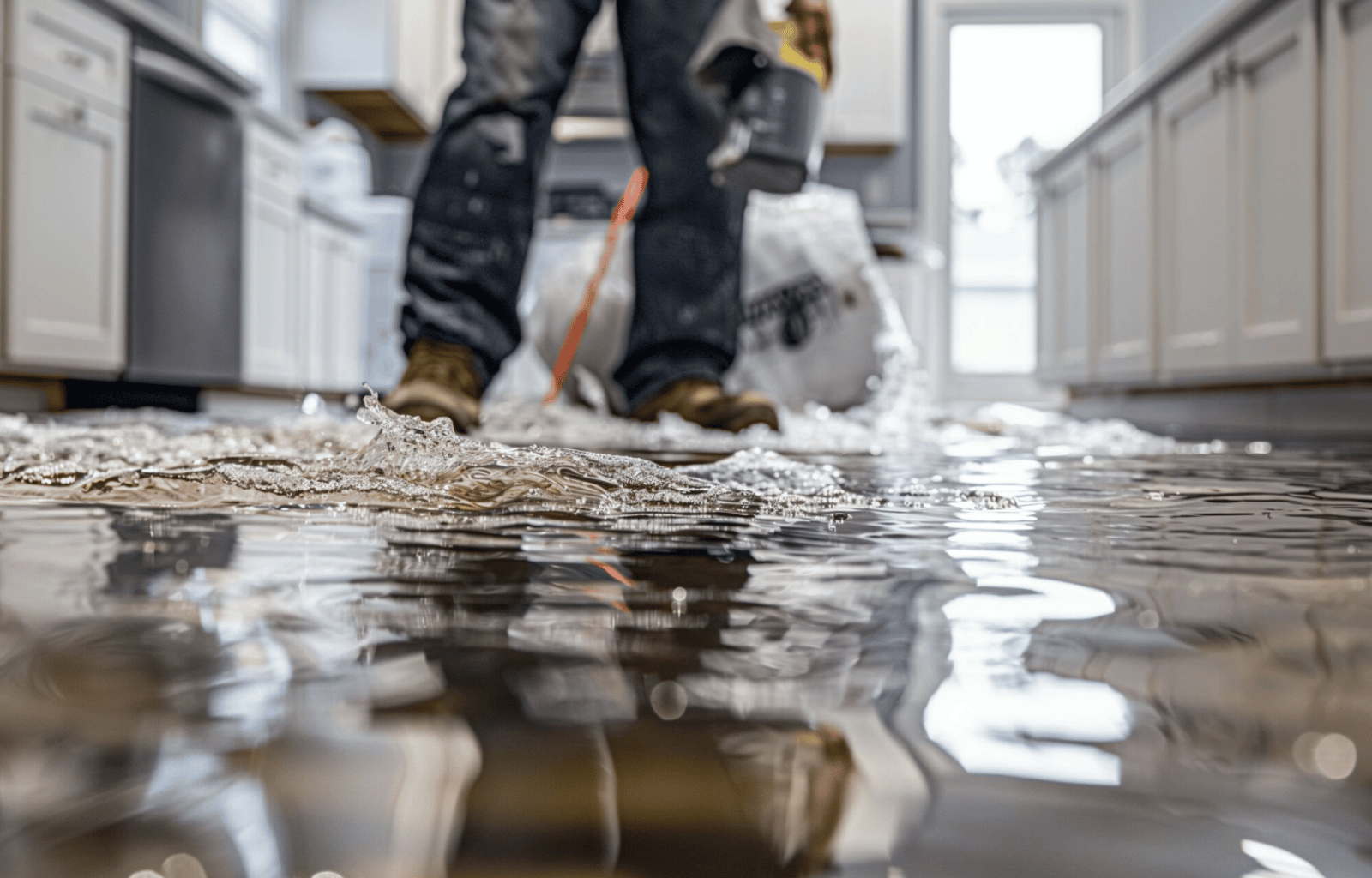
Few home emergencies are as alarming — or as hazardous — as a sewage backup. When raw sewage backs up through floor drains, toilets, or tubs in your Phoenix, AZ home, it doesn't just create an unpleasant mess. It creates a genuinely dangerous biohazard situation that requires immediate professional response. Attempting to clean up sewage backup without proper equipment and training puts your health and the health of your family at serious risk.
In Phoenix, sewage backups are more common than many homeowners realize. The city's older neighborhoods contain aging clay and cast iron sewer lines prone to root intrusion and cracking. During monsoon season, Phoenix's overwhelmed storm sewer systems can drive sewage backward through drain lines and into homes. And year-round, tree root intrusion, grease buildup, and pipe deterioration create conditions ripe for backup events. This guide explains exactly what makes sewage backup so dangerous, what you should and shouldn't do, and how professional cleanup works.
What Is Category 3 (Black Water) Contamination?
Water damage restoration professionals classify water by its level of contamination. Sewage backup falls into the most serious category: Category 3, or Black Water. This classification includes water that is grossly contaminated and may contain:
- Bacteria: Including E. coli, Salmonella, Shigella, and other enteric pathogens capable of causing serious gastrointestinal illness
- Viruses: Hepatitis A, norovirus, rotavirus, and other viruses shed in fecal matter
- Parasites: Cryptosporidium, Giardia, and other parasitic organisms
- Fungi and mold spores: Introduced through the sewer system or developing rapidly on organic material in sewage water
- Chemical contaminants: Cleaning products, medications, industrial chemicals, and other materials that enter the sewer system
Any porous material that contacts Category 3 sewage water — carpet, carpet pad, drywall, insulation, fabric — must be treated as contaminated and removed, not dried in place. This is a non-negotiable requirement under IICRC S500 and S520 standards, regardless of how the material appears after the water has receded.
Health Risks of Sewage Exposure
Direct or indirect exposure to sewage creates serious health risks, particularly for vulnerable populations including children, elderly individuals, pregnant women, and anyone with a compromised immune system. Health effects from sewage exposure can include:
- Gastrointestinal illness (nausea, vomiting, diarrhea)
- Hepatitis A infection
- Leptospirosis (a bacterial infection spread through water contaminated with animal or human urine)
- Skin infections and rashes from contact with contaminated water
- Respiratory problems from inhaling mold spores or sewage aerosols
- Eye and ear infections
These risks are present even after the visible sewage water has been removed — contaminated materials that remain in the home continue to off-gas pathogens and support mold growth. This is why complete material removal and professional sanitization — not just surface cleaning — is required. Our sewage backup cleanup team is trained in full Category 3 biohazard remediation protocols.
Why Phoenix Sewage Backups Happen
Understanding the causes of sewage backup in Phoenix homes helps both with prevention and with assessing the urgency of the situation:
Monsoon Season Sewer Overload
During severe Phoenix monsoon storms, the volume of stormwater entering the sewer system can exceed its design capacity. When this happens, water (and sewage) can reverse direction and flow back into homes through the lowest drain connections — floor drains, basement drains, and ground-level toilets. This is the most acute and widespread cause of sewage backup in Phoenix, and it can affect multiple homes simultaneously across a neighborhood.
Tree Root Intrusion
The roots of Phoenix's desert trees — particularly aggressive species like the mesquite, Palo Verde, and non-native ficus — can penetrate clay sewer lines through joints and cracks, growing inside the pipe and eventually causing complete blockage. Root blockages develop slowly and then cause sudden, complete backups when the obstruction reaches a critical level.
Pipe Deterioration and Collapse
In older Phoenix neighborhoods, original clay or cast iron sewer lines may be 50–80 years old. These pipes become brittle, crack, and can partially or fully collapse, restricting flow and eventually causing backups. Expansive clay soils that shift during monsoon season can accelerate this deterioration by stressing underground pipe joints.
Grease and Debris Buildup
Grease, soap scum, hair, and non-flushable materials accumulate in residential drain lines over time, eventually creating partial or complete blockages that cause backups. This type of backup is typically limited to the immediate drain line and is generally less severe than city sewer backups, but still requires professional Category 3 remediation if sewage material is present.
What NOT to Do After a Sewage Backup
In the adrenaline rush of discovering a sewage backup, it's tempting to start cleaning immediately. But there are several critical mistakes that can worsen the situation or create additional health risks:
- Do NOT attempt to clean up sewage without proper PPE. If you must enter the affected area before professionals arrive, wear rubber boots, rubber gloves, eye protection, and an N95 or higher respirator.
- Do NOT use mops, towels, or household cleaning products. These tools cannot adequately disinfect contaminated materials and may spread contamination to previously unaffected areas.
- Do NOT run fans or HVAC over the affected area. This can aerosolize sewage particles and distribute them throughout your home's air system.
- Do NOT allow children or pets in the affected area. Keep the area closed off until professional remediation is complete.
- Do NOT attempt to dry and save porous materials that contacted the sewage water. IICRC standards require removal of all contaminated porous materials regardless of apparent condition.
What TO Do After a Sewage Backup in Phoenix
- Get to safety first. Ensure all people and pets are out of the affected area.
- Shut off electricity to affected areas if you can do so safely. Sewage water and electricity are a deadly combination.
- Do not use any plumbing fixtures in the home until the backup is cleared. Using toilets, sinks, or showers can make the backup worse.
- Call a licensed plumber to clear the sewer line blockage before cleanup begins — otherwise remediation cannot proceed safely.
- Call Phoenix Water Damage Restoration for immediate emergency sewage backup cleanup. Our team mobilizes 24/7 with full Category 3 remediation equipment and training.
- Call your insurance company. Sewage backup may be covered if you have a water backup endorsement. Document everything before remediation begins for your claim.
How Professional Sewage Backup Cleanup Works
Professional sewage backup cleanup in Phoenix is a multi-step process that must be performed in the correct sequence to achieve safe, certified results:
Step 1: Containment
The affected area is contained using plastic sheeting and negative air pressure equipment to prevent contamination from spreading to unaffected areas of the home. HEPA air scrubbers are deployed to filter sewage aerosols from the air.
Step 2: Extraction
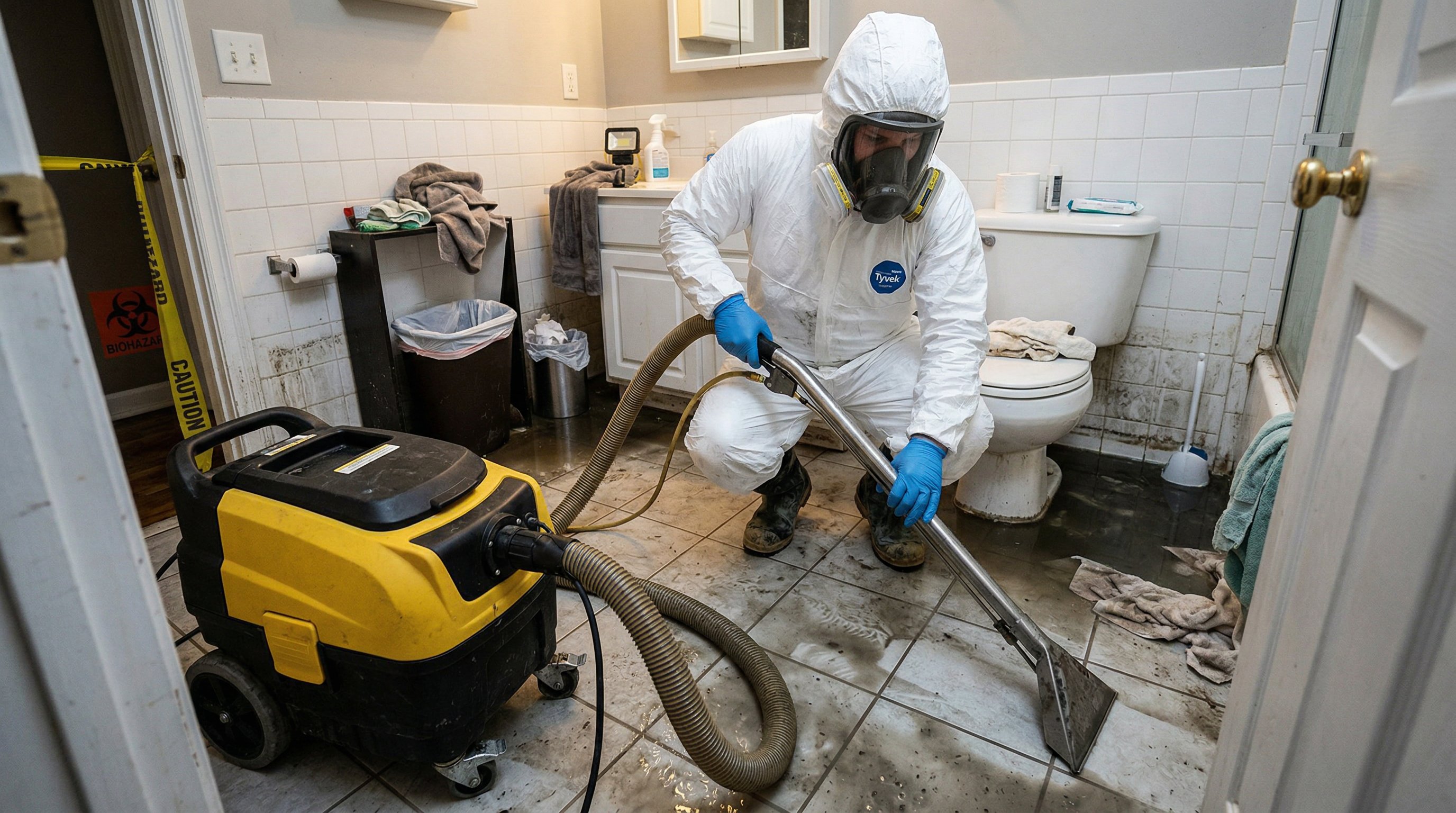
Industrial extraction equipment removes all standing sewage water. This is performed by technicians in full PPE — Tyvek suits, rubber boots, gloves, and respirators. All extracted material is disposed of according to environmental regulations.
Step 3: Material Removal
All porous materials that contacted the sewage water are removed. This includes carpet, carpet pad, drywall to a minimum of 12 inches above the highest water line, saturated insulation, and any other materials that cannot be adequately disinfected. All removed materials are bagged and disposed of as biohazard waste.
Step 4: Disinfection and Decontamination
All remaining surfaces — concrete, tile, metal, and any retained building materials — are treated with EPA-registered antimicrobial and disinfectant products. Multiple applications may be required to achieve pathogen-safe surface conditions. Our contaminated water cleanup process follows IICRC S520 standards for mold and contamination remediation.
Step 5: Structural Drying
After all contaminated materials are removed and surfaces are disinfected, professional drying equipment is deployed to dry the remaining structural components to target moisture content levels. This prevents secondary mold growth in the aftermath of remediation.
Step 6: Clearance Testing and Reconstruction
Upon completion of drying, final moisture readings and, in some cases, air quality testing confirm that remediation is complete. Reconstruction can then proceed: new drywall, flooring, and finishes are installed to return the affected area to its pre-loss condition.
Q&A: Sewage Backup Cleanup in Phoenix
Is sewage backup covered by my homeowner's insurance?
Standard homeowner's insurance policies typically exclude sewage backup. Coverage is available through a specific sewer and water backup endorsement, which is typically inexpensive (around $50–$150 per year) and highly recommended for Phoenix homeowners. If you have this endorsement, your insurance will cover both the remediation and reconstruction costs, subject to your deductible. Read our post on does insurance cover water damage in Phoenix for more details.
How dangerous is sewage water really?
Sewage water contains live pathogens capable of causing serious illness, including E. coli infection, hepatitis A, norovirus, and parasitic infections. Exposure through skin contact, inhalation of aerosols, or incidental ingestion can all result in illness. Treat sewage water as a serious biohazard and do not enter the affected area without proper PPE.
How long does sewage backup cleanup take in Phoenix?
A typical sewage backup cleanup project in Phoenix takes 5–10 days from initial response to completion of drying. Material removal, disinfection, and extraction typically require 1–2 days, followed by 3–7 days of structural drying. Reconstruction timelines vary based on scope.
Can sewage backup cause mold in my Phoenix home?
Yes. Sewage water introduces both mold spores and the organic material that mold feeds on. In Phoenix's warm climate, mold can begin growing within 24–48 hours of a sewage event if remediation doesn't begin promptly. This is one reason why immediate professional response is so important. Learn more in our post on how fast mold grows after water damage in Phoenix.
What can I do to prevent sewage backup in my Phoenix home?
Prevention measures include: having your sewer line camera-inspected every few years to identify developing root intrusion or pipe deterioration; installing a backflow prevention device on your main sewer line; avoiding flushing non-biodegradable items; and scheduling periodic professional drain cleaning. Our backflow prevention systems service provides long-term protection against sewer backup events.
Don't Risk Your Health — Call the Professionals
Sewage backup in your Phoenix home is not a cleanup job for rubber gloves and bleach. It's a biohazard situation that requires specialized training, equipment, and disposal protocols. Attempting DIY cleanup can make the situation worse, expose your family to serious illness, and compromise your ability to file an insurance claim.
Phoenix Water Damage Restoration is a trusted choice for commercial & residential water damage restoration in Phoenix, AZ, delivering fast response times, expert drying, and full-service restoration. Our sewage backup cleanup team is available around the clock to respond to your emergency. Call Us 24/7: (623) 300-3108
Easy steps to create a color palette
Lorem ipsum dolor sit amet, consectetur adipiscing elit lobortis arcu enim urna adipiscing praesent velit viverra sit semper lorem eu cursus vel hendrerit elementum morbi curabitur etiam nibh justo, lorem aliquet donec sed sit mi dignissim at ante massa mattis.
- Neque sodales ut etiam sit amet nisl purus non tellus orci ac auctor
- Adipiscing elit ut aliquam purus sit amet viverra suspendisse potent
- Mauris commodo quis imperdiet massa tincidunt nunc pulvinar
- Excepteur sint occaecat cupidatat non proident sunt in culpa qui officia
What is a color palette?
Vitae congue eu consequat ac felis placerat vestibulum lectus mauris ultrices cursus sit amet dictum sit amet justo donec enim diam porttitor lacus luctus accumsan tortor posuere praesent tristique magna sit amet purus gravida quis blandit turpis.

Don’t overspend on growth marketing without good retention rates
At risus viverra adipiscing at in tellus integer feugiat nisl pretium fusce id velit ut tortor sagittis orci a scelerisque purus semper eget at lectus urna duis convallis porta nibh venenatis cras sed felis eget neque laoreet suspendisse interdum consectetur libero id faucibus nisl donec pretium vulputate sapien nec sagittis aliquam nunc lobortis mattis aliquam faucibus purus in.
- Neque sodales ut etiam sit amet nisl purus non tellus orci ac auctor
- Adipiscing elit ut aliquam purus sit amet viverra suspendisse potenti
- Mauris commodo quis imperdiet massa tincidunt nunc pulvinar
- Adipiscing elit ut aliquam purus sit amet viverra suspendisse potenti
What’s the ideal customer retention rate?
Nisi quis eleifend quam adipiscing vitae aliquet bibendum enim facilisis gravida neque euismod in pellentesque massa placerat volutpat lacus laoreet non curabitur gravida odio aenean sed adipiscing diam donec adipiscing tristique risus amet est placerat in egestas erat.
“Lorem ipsum dolor sit amet consectetur adipiscing elit, sed do eiusmod tempor incididunt ut labore et dolore magna aliqua enim ad minim veniam.”
Next steps to increase your customer retention
Eget lorem dolor sed viverra ipsum nunc aliquet bibendum felis donec et odio pellentesque diam volutpat commodo sed egestas aliquam sem fringilla ut morbi tincidunt augue interdum velit euismod eu tincidunt tortor aliquam nulla facilisi aenean sed adipiscing diam donec adipiscing ut lectus arcu bibendum at varius vel pharetra nibh venenatis cras sed felis eget.