
Burst Pipes in Phoenix: Causes, Prevention, and Immediate Steps
When most people think of burst pipes, they picture frozen pipes in Minnesota or Chicago — not a sun-scorched desert city like Phoenix, AZ. But burst pipes are one of the most common causes of significant water damage in Phoenix homes, and the causes in our desert climate are quite different from what you might expect. From extreme summer heat to monsoon pressure surges, Phoenix homes face unique plumbing stresses that make pipe failures a year-round threat.
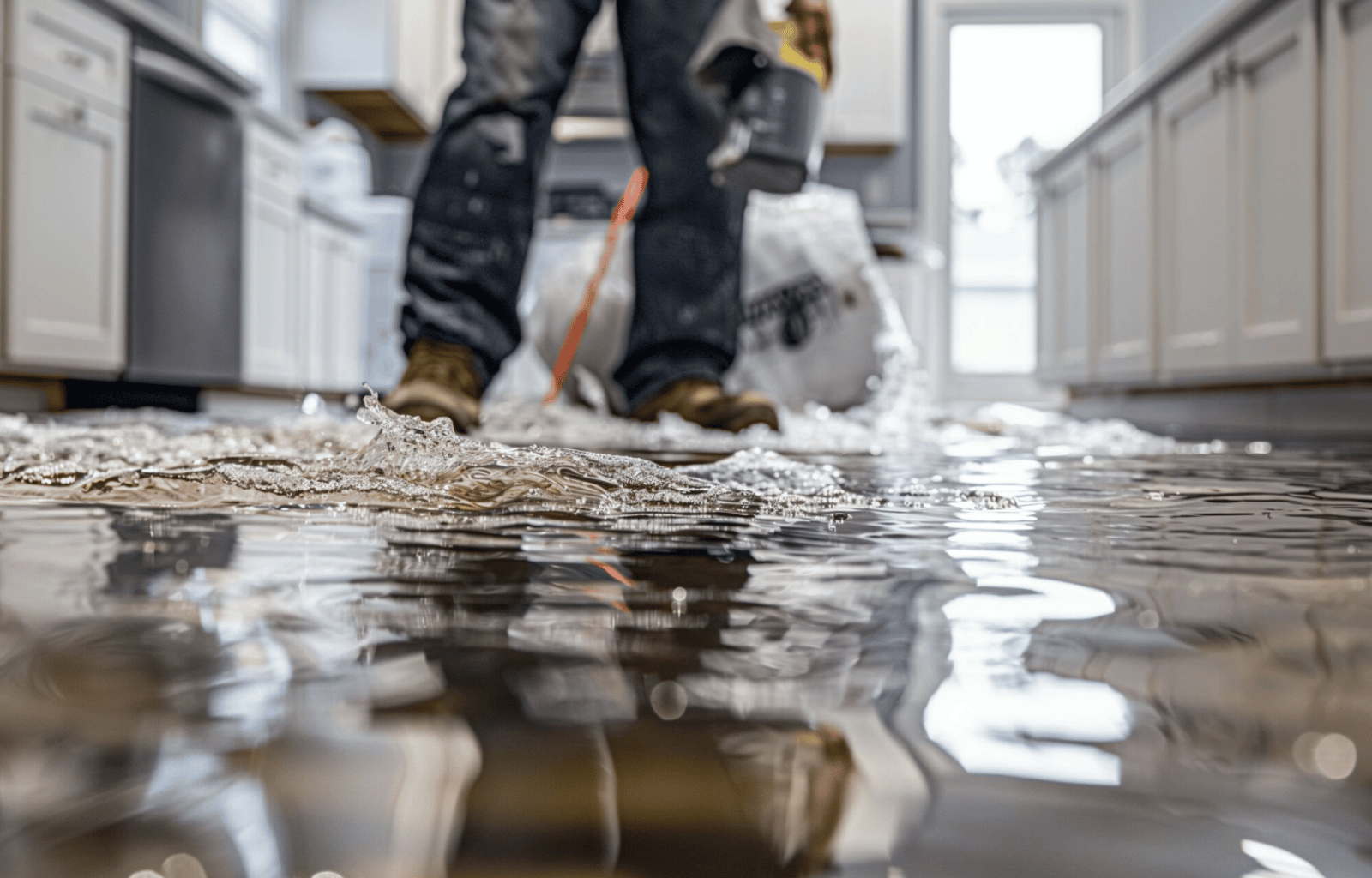
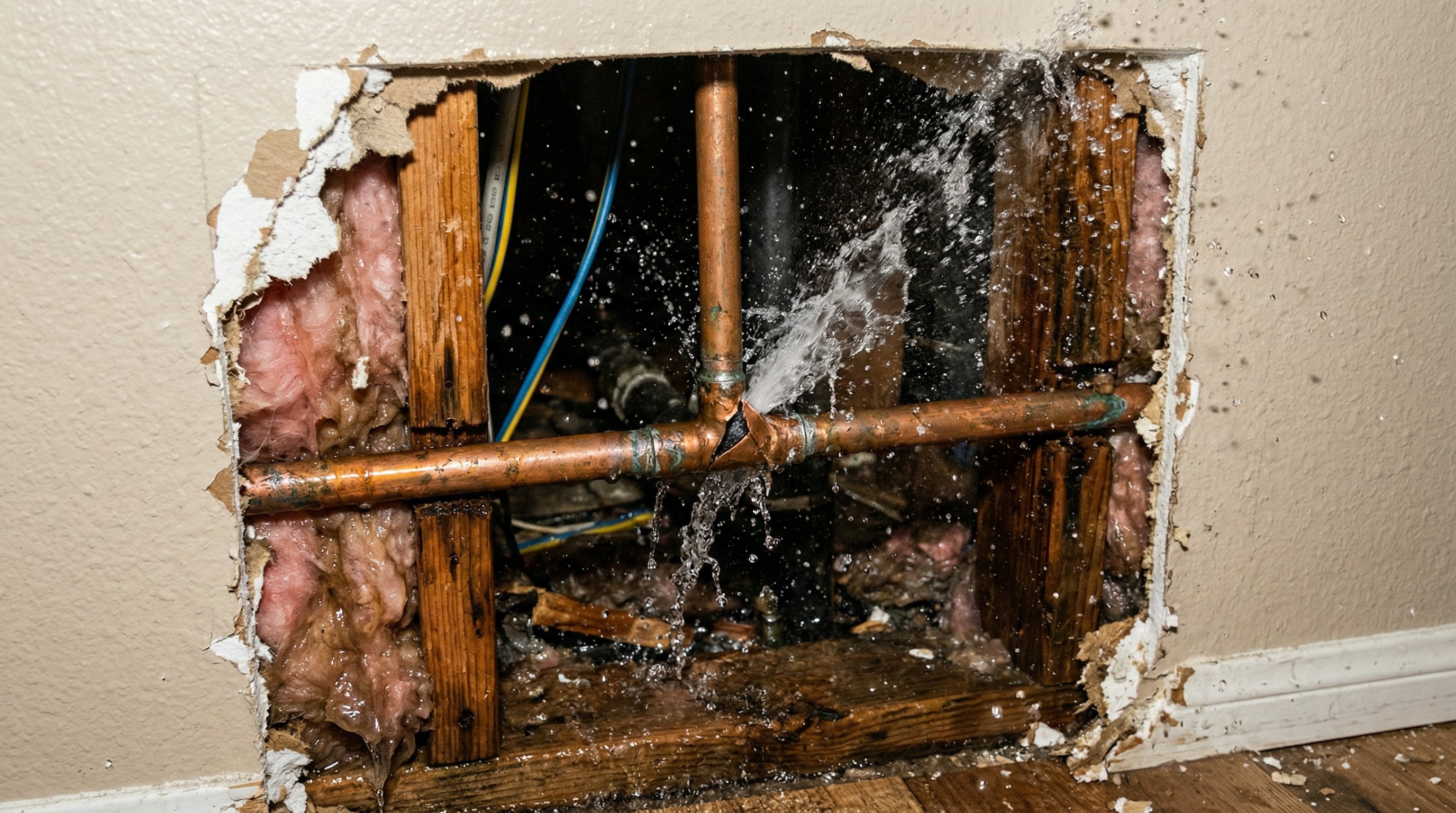
A burst pipe can release hundreds of gallons of water per hour, causing catastrophic damage to flooring, walls, ceilings, cabinetry, and personal property in a very short time. Knowing why pipes burst in Phoenix, how to prevent it, and what to do in the critical first minutes can make the difference between a manageable cleanup and a devastating loss. This guide covers everything Phoenix homeowners need to know.
Why Pipes Burst in Phoenix: Desert Climate Causes
The causes of burst pipes in Phoenix are surprisingly diverse and don't always align with popular assumptions about desert plumbing.
Extreme Heat Expansion
Phoenix's summer temperatures regularly exceed 110°F, and surfaces exposed to direct sunlight — including pipes in attics, under mobile homes, and in exterior wall chases — can reach temperatures of 150°F or higher. Metal pipes, particularly copper, expand significantly with heat. In areas where pipes are constrained or where repeated thermal cycling has stressed pipe joints and fittings, this expansion can ultimately lead to cracking or joint failure. Phoenix attic temperatures are especially extreme during summer months, making attic plumbing runs a common failure point.
Sudden Winter Temperature Drops
While Phoenix rarely experiences sustained freezing temperatures, the city does occasionally drop below 32°F on winter nights — typically a handful of nights per year. Most Phoenix homes were not built with the same pipe insulation standards as homes in colder climates. Pipes in exterior walls, in uninsulated garages, and in exposed locations can freeze rapidly during these brief cold snaps, expand with ice formation, and burst — releasing a flood of water when temperatures rise. This is one reason why seemingly minor Phoenix winters still generate calls to our burst pipe restoration team every year.
Water Pressure Surges
Municipal water pressure in Phoenix varies by neighborhood and time of day, and it can occasionally spike to levels that stress older or weakened pipe sections. During heavy monsoon storms, when large volumes of water move through the system, pressure surges can occur. Homes with older galvanized steel or polybutylene pipes are particularly vulnerable to pressure-related failures.
Pipe Corrosion and Age
Phoenix has a wide range of housing stock, from post-war homes with original galvanized steel plumbing to mid-century copper systems to newer PEX installations. Galvanized steel pipes begin to corrode from the inside over time, narrowing the interior diameter and weakening the pipe wall — eventually leading to pinhole leaks that can progress to full pipe failure. Polybutylene pipe, installed in many Phoenix homes built between the 1970s and 1990s, is prone to degradation from chlorine in municipal water and is known to fail unexpectedly.
Physical Damage and Shifting Soil
Phoenix's expansive clay soils expand when wet during monsoon season and contract as they dry. This seasonal movement can shift underground plumbing and the foundations and slabs that contain interior plumbing runs, stressing pipe joints and connections. Over time, this repeated movement contributes to pipe fatigue and eventual failure. Our professional leak detection services can identify compromised pipe sections before they fail.
High Water Pressure Without a Pressure Reducing Valve
Many Phoenix homes receive municipal water at pressures exceeding 80 PSI — the upper limit recommended by the Uniform Plumbing Code. Without a properly functioning pressure reducing valve (PRV), this excess pressure stresses every component of your plumbing system around the clock. A failed or absent PRV is a major risk factor for burst pipes, water heater failures, and appliance damage.
How to Prevent Burst Pipes in Phoenix
Understanding the local risk factors for burst pipes in Phoenix makes prevention much more actionable. Here are the most important protective measures for Phoenix homeowners:
Insulate Exposed Pipes
Before winter, insulate pipes in garages, crawl spaces, exterior walls, and attic spaces with foam pipe insulation sleeves. This is inexpensive, easy to install, and dramatically reduces the risk of freeze events. In attics, pipe insulation also helps protect against heat-related stress during summer.
Know Where Your Main Shutoff Is
Every Phoenix homeowner should know the exact location of their main water shutoff valve and how to operate it. In a pipe burst situation, the difference between a 30-second shutoff and a 5-minute search for the valve can mean thousands of dollars in additional damage.
Have Your Plumbing Inspected
If your Phoenix home has older galvanized or polybutylene plumbing, schedule a professional plumbing leak inspection. Identifying corroded or weakened sections before they fail allows for controlled, planned replacement rather than emergency restoration.
Maintain Proper Water Pressure
Ask a licensed plumber to test your home's water pressure and inspect your PRV. If your pressure is above 80 PSI or your PRV is aging, replacement is a worthwhile investment. Water pressure management protects not just your pipes but also your appliances, fixtures, and water heater.
Protect Pipes During Freeze Events
When Phoenix temperatures are forecast to drop below freezing:
- Let cold water trickle from faucets on exterior wall plumbing runs
- Open cabinet doors under sinks on exterior walls to allow warm air to circulate around pipes
- Disconnect and drain garden hoses from outdoor spigots
- Know how to locate and shut off your main valve in case of emergency
Inspect Your Attic Plumbing Annually
Attic plumbing — including the pipes serving upstairs bathrooms and the hot and cold supply lines to solar hot water systems — should be visually inspected at least annually for signs of joint failure, corrosion, or rodent damage. Small issues caught early prevent major burst events.
Immediate Steps When a Pipe Bursts in Your Phoenix Home
When a pipe bursts, every second counts. Here's the correct sequence of actions to take:
- Shut off the main water supply immediately. Find your main shutoff valve (usually near the water meter at the street, or at the point of entry to the home) and turn it off. This is the single most important step — it stops water from continuing to flow into your home.
- Turn off the electricity to affected areas. If water has reached or is near electrical outlets, panel boxes, or appliances, shut off the electrical circuit to those areas at the breaker panel. Water and electricity are a lethal combination.
- Open faucets to drain remaining water. After shutting off the main, open faucets throughout the home to allow residual water in the pipes to drain and relieve pressure.
- Document everything. Take photos and video of all water damage before beginning any cleanup. This documentation is critical for your insurance claim.
- Call Phoenix Water Damage Restoration. Our team mobilizes immediately for burst pipe emergencies, deploying extraction equipment to minimize damage as quickly as possible.
- Contact your insurance company. Report the loss to your insurer as soon as the immediate emergency is under control. Read our related post on what to do after water damage in Phoenix for a full guide to the recovery process.
What Happens to Your Home When a Pipe Bursts
The amount of damage a burst pipe can cause is directly related to how long it takes for the water supply to be shut off and professional extraction to begin. Here's what water from a burst pipe does to your home over time:
- 0–15 minutes: Water spreads across hard surface floors, begins saturating carpet and padding, and migrates into wall cavities through baseboards and floor seams.
- 15–60 minutes: Drywall wicks water upward and begins to soften; water reaches furniture and personal property; ceiling cavities above the burst begin to fill if the pipe is on an upper floor.
- 1–4 hours: Drywall may begin to fail; wood subfloor begins to swell; mold spores begin germinating on wet surfaces; water migrates to adjacent rooms and floors.
- 24+ hours: Mold colonies begin visible growth; hardwood flooring begins to buckle; structural wood components show early signs of water damage; contents may be beyond recovery.
Professional water extraction services are most effective when deployed within the first hour of a pipe burst. The earlier the extraction begins, the smaller the total damage footprint and the lower the restoration cost.
Q&A: Burst Pipes in Phoenix
Do Phoenix pipes really freeze? It doesn't seem cold enough.
Yes. While Phoenix rarely sustains freezing temperatures for extended periods, brief overnight freezes occur most winters. Pipes in garages, exterior walls, and attics — which are uninsulated in most Phoenix homes — can freeze in just a few hours at temperatures slightly below freezing. The risk is real and worth preparing for before winter arrives.
How do I know if I have a slow pipe leak vs. a burst pipe?
A burst pipe typically produces a rapid, high-volume water release — you'll see or hear water quickly. A slow leak may produce persistent moisture in cabinets, unexplained water stains, or elevated water bills without obvious flooding. Both require professional attention, but the response urgency is different. Our leak detection team can identify and locate both types of pipe issues.
How much water can a burst pipe release?
A fully open half-inch copper supply line under standard municipal pressure can release 3–5 gallons of water per minute. A larger 3/4-inch line can release even more. In an hour before you shut off the water, that's potentially hundreds of gallons — enough to flood multiple rooms.
Will my homeowner's insurance cover a burst pipe?
Generally yes. Sudden and accidental pipe bursts are typically covered by standard homeowner's insurance policies (HO-3) in Phoenix. However, coverage may be denied if the pipe failure was due to deferred maintenance or a condition you knew about and failed to address. Document everything and contact your insurer promptly.
How long does restoration take after a burst pipe?
Timeline depends on the volume of water released and materials affected. A burst pipe caught quickly that wet a limited area may require only 3–5 days of drying and minor repairs. A burst pipe that ran for hours and saturated multiple rooms may require 2–4 weeks of restoration work including drying, demolition, and reconstruction.
Act Fast — Time Is Your Most Valuable Asset
Burst pipes in Phoenix can happen year-round, and when they do, your speed of response is the single biggest factor in determining the extent of damage and cost of restoration. Know where your main shutoff is, keep our phone number saved, and don't hesitate to call the moment you discover a pipe has burst.
Phoenix Water Damage Restoration is a trusted choice for commercial & residential water damage restoration in Phoenix, AZ, delivering fast response times, expert drying, and full-service restoration. Our burst pipe restoration team is standing by 24 hours a day, 7 days a week. Call Us 24/7: (623) 300-3108
Easy steps to create a color palette
Lorem ipsum dolor sit amet, consectetur adipiscing elit lobortis arcu enim urna adipiscing praesent velit viverra sit semper lorem eu cursus vel hendrerit elementum morbi curabitur etiam nibh justo, lorem aliquet donec sed sit mi dignissim at ante massa mattis.
- Neque sodales ut etiam sit amet nisl purus non tellus orci ac auctor
- Adipiscing elit ut aliquam purus sit amet viverra suspendisse potent
- Mauris commodo quis imperdiet massa tincidunt nunc pulvinar
- Excepteur sint occaecat cupidatat non proident sunt in culpa qui officia
What is a color palette?
Vitae congue eu consequat ac felis placerat vestibulum lectus mauris ultrices cursus sit amet dictum sit amet justo donec enim diam porttitor lacus luctus accumsan tortor posuere praesent tristique magna sit amet purus gravida quis blandit turpis.

Don’t overspend on growth marketing without good retention rates
At risus viverra adipiscing at in tellus integer feugiat nisl pretium fusce id velit ut tortor sagittis orci a scelerisque purus semper eget at lectus urna duis convallis porta nibh venenatis cras sed felis eget neque laoreet suspendisse interdum consectetur libero id faucibus nisl donec pretium vulputate sapien nec sagittis aliquam nunc lobortis mattis aliquam faucibus purus in.
- Neque sodales ut etiam sit amet nisl purus non tellus orci ac auctor
- Adipiscing elit ut aliquam purus sit amet viverra suspendisse potenti
- Mauris commodo quis imperdiet massa tincidunt nunc pulvinar
- Adipiscing elit ut aliquam purus sit amet viverra suspendisse potenti
What’s the ideal customer retention rate?
Nisi quis eleifend quam adipiscing vitae aliquet bibendum enim facilisis gravida neque euismod in pellentesque massa placerat volutpat lacus laoreet non curabitur gravida odio aenean sed adipiscing diam donec adipiscing tristique risus amet est placerat in egestas erat.
“Lorem ipsum dolor sit amet consectetur adipiscing elit, sed do eiusmod tempor incididunt ut labore et dolore magna aliqua enim ad minim veniam.”
Next steps to increase your customer retention
Eget lorem dolor sed viverra ipsum nunc aliquet bibendum felis donec et odio pellentesque diam volutpat commodo sed egestas aliquam sem fringilla ut morbi tincidunt augue interdum velit euismod eu tincidunt tortor aliquam nulla facilisi aenean sed adipiscing diam donec adipiscing ut lectus arcu bibendum at varius vel pharetra nibh venenatis cras sed felis eget.