
When Is Water Damage Considered an Emergency? A Phoenix Homeowner's Guide
Water damage doesn't always arrive with a dramatic flood or a catastrophic pipe burst. Sometimes it starts quietly — a slow drip behind the wall, a gradual stain on the ceiling, or a damp smell you can't quite locate. As a Phoenix homeowner, knowing the difference between a water damage emergency that demands immediate action and a situation that can wait for a scheduled appointment could save you thousands of dollars and prevent serious health risks.
In this guide, we'll break down exactly what constitutes a water damage emergency in Phoenix, AZ, when you need to call for emergency water damage restoration, and the critical steps to take in the first moments after discovering water in your home.
Defining a Water Damage Emergency
A water damage emergency is any situation where water is actively causing or threatening to cause significant, escalating damage to your home's structure, systems, or contents — or where the water itself poses immediate health risks to occupants.
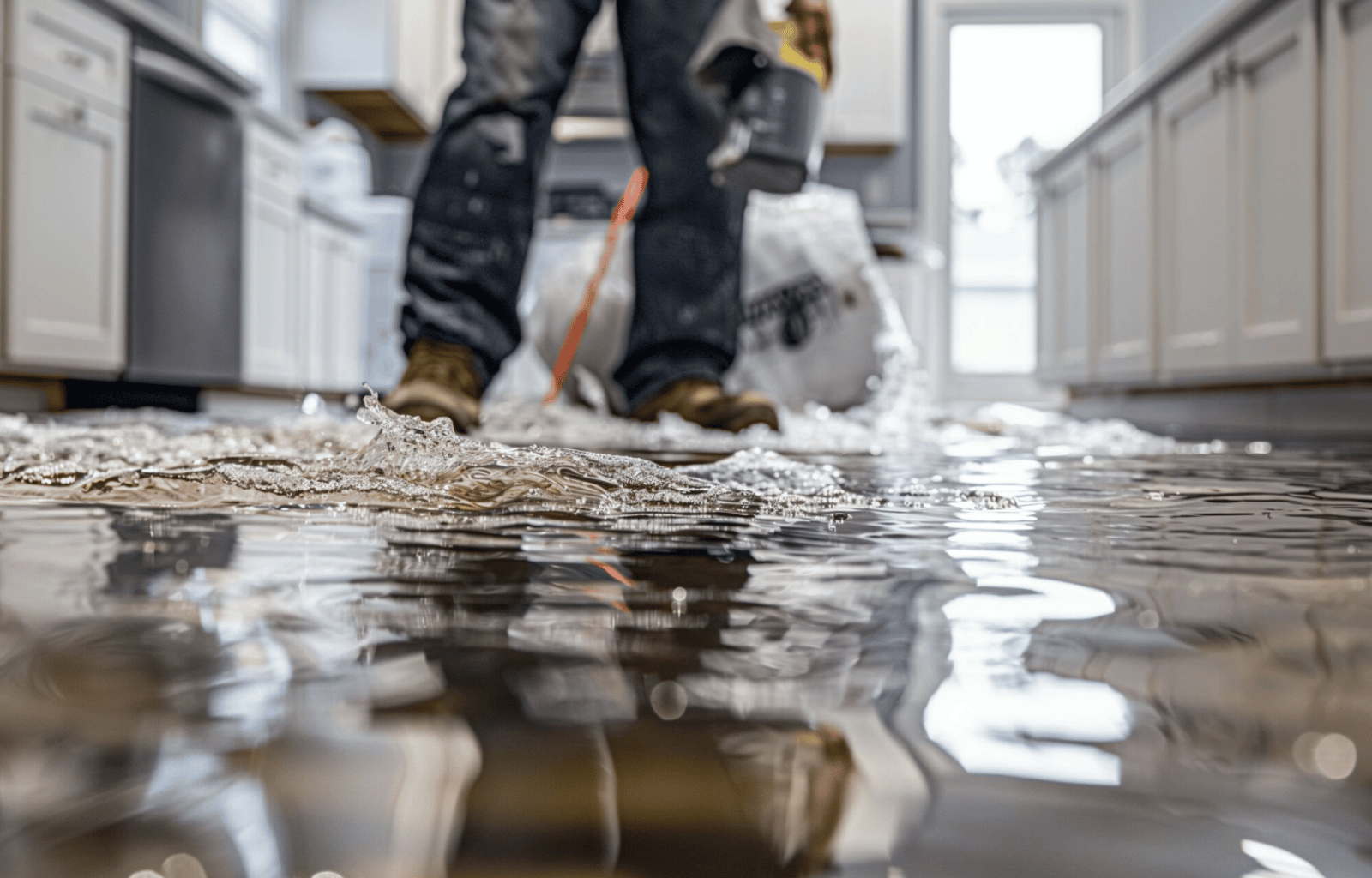
The key word is escalating. Emergency water damage situations get worse with every passing hour. Unlike a small leak that causes gradual damage over weeks, an emergency involves rapid water intrusion that can destroy flooring, walls, electrical systems, and personal belongings in a matter of hours.
The 24-Hour Rule
The restoration industry recognizes 24 hours as the critical window for water damage response. Within this timeframe, several irreversible processes begin:
- Mold colonization starts — Mold can begin growing within 24 to 48 hours in Phoenix's warm climate, especially during summer months when temperatures exceed 100°F.
- Structural materials absorb water — Drywall, wood framing, and insulation become saturated and begin to lose structural integrity.
- Electrical hazards increase — Water contacting electrical outlets, wiring, or appliances creates shock and fire risks.
- Contamination spreads — If the water source involves sewage, chemicals, or outdoor floodwater, pathogens and toxins spread to additional areas the longer the water sits.
Situations That Are Always Emergencies
The following scenarios require immediate professional response — don't wait, call right away:
Burst Pipes and Major Plumbing Failures
A burst pipe can release 4 to 8 gallons of water per minute into your home. In Phoenix, pipe bursts are common during rare cold snaps when temperatures drop below freezing, as well as from corroded older pipes failing under water pressure. If you hear rushing water, see water spraying from a wall or ceiling, or notice a sudden drop in water pressure, shut off your main water valve immediately and call for emergency restoration.
Sewage Backups
Sewage backup is always an emergency due to the severe health hazards involved. Category 3 (black water) contains bacteria, viruses, parasites, and other dangerous pathogens. Common causes in Phoenix include main sewer line blockages, tree root intrusion, and overwhelmed municipal systems during heavy monsoon rains. Do not attempt to clean up sewage yourself — evacuate the affected area and call professionals immediately.
Active Flooding From Monsoon Storms
During Phoenix's monsoon season, flash flooding can force water into homes through doors, windows, foundation cracks, and even up through floor drains. If water is actively entering your home from an exterior source, it qualifies as an emergency. Storm flood water is classified as Category 3 contaminated water because it picks up debris, chemicals, sewage, and soil as it flows.
Hot Water Heater Failure
When a hot water tank fails catastrophically, it can release 40 to 80 gallons of water almost instantly. The combination of volume and heat makes this an emergency. Hot water accelerates damage to flooring and can warp wood, delaminate adhesives, and cause burns. Shut off the water supply to the heater and the gas or electricity powering it, then call for help.
Water Reaching Electrical Systems
Any time water contacts your home's electrical panel, outlets, wiring, or major appliances, treat it as an emergency. Water and electricity create an immediate risk of electrocution and fire. If it's safe to do so, turn off the main circuit breaker before wading into standing water. If you can't safely access the breaker, evacuate and call 911 first, then call for restoration services.
Ceiling Collapse or Imminent Structural Failure
Water pooling above your ceiling creates enormous weight — water weighs approximately 8.3 pounds per gallon. If you see a bulging, discolored, or sagging ceiling, water has been accumulating above. This is an emergency because the ceiling can collapse without warning, causing injury and releasing a large volume of water at once. Evacuate the room and call for professional help.
Situations That Require Prompt Attention (But May Not Be Emergencies)
These scenarios need professional attention soon, but may allow time for a scheduled same-day or next-day appointment:
Slow Appliance Leaks
A dishwasher, washing machine, or refrigerator with a slow leak is concerning but typically not an emergency if you catch it early. Appliance leak cleanup is important, but if the leak rate is manageable — a puddle rather than a flood — you can likely schedule service within 24 hours. Turn off the appliance and water supply, contain the water with towels, and arrange for professional assessment.
Minor Roof Leaks During Rain
A small drip from the ceiling during a monsoon storm is concerning but typically manageable in the short term. Place a bucket under the drip, move furniture and valuables away, and schedule a professional inspection for the next business day. However, if the drip accelerates rapidly or you notice multiple leak points, it may escalate to an emergency.
Toilet Overflow (Clean Water)
A toilet overflow from a simple clog — where the water is clean supply water — is messy but not necessarily an emergency if quickly contained. Shut off the toilet's supply valve, clean up the water, and call for professional assessment if the water reached areas beyond the bathroom floor.
Discovery of Old Water Stains
Finding water stains on walls or ceilings that are clearly not fresh suggests past water intrusion. While this requires professional investigation to identify the source and assess hidden damage, it's not an emergency situation since the active leak has likely stopped.
How to Respond to a Water Damage Emergency in Phoenix
If you determine your situation is a true emergency, follow these steps in order:
Step 1: Ensure Safety First
- If water is near electrical outlets or your breaker panel, do not step in it until power is off
- If you smell gas, evacuate immediately and call 911
- If sewage is involved, keep people and pets away from the affected area
- Wear rubber boots and gloves if you must enter standing water
Step 2: Stop the Water Source (If Possible)
- Shut off the main water valve for plumbing-related emergencies
- Turn off the water supply to specific appliances if the leak is isolated
- For flooding from outside, sandbag doorways and close all ground-level openings
Step 3: Call for Professional Help
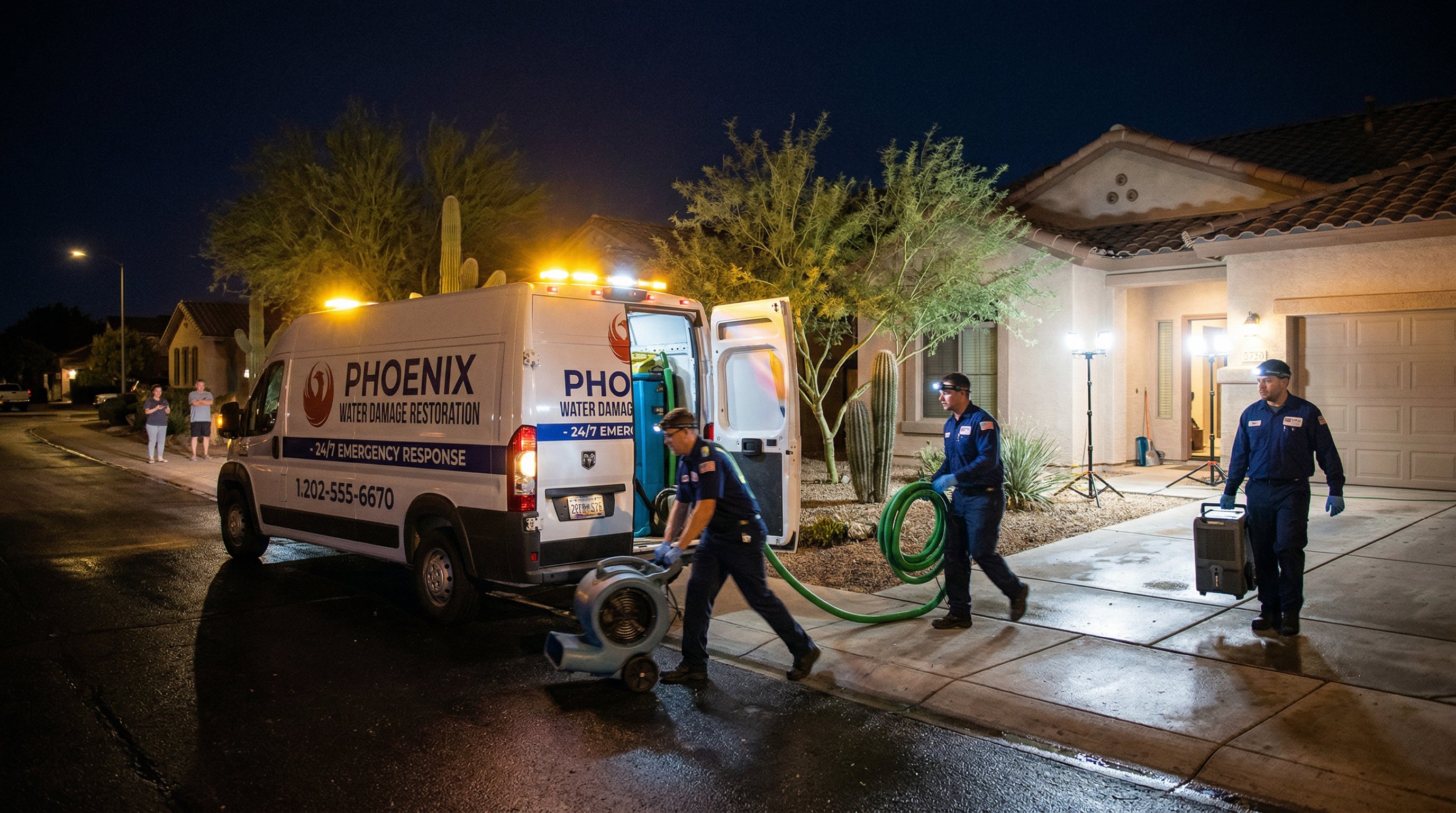
Contact a 24/7 emergency restoration company immediately. Phoenix Water Damage Restoration responds to emergency calls around the clock, 365 days a year. Our average response time in the Phoenix metro area is under 60 minutes for emergency situations.
Step 4: Document Everything
While waiting for the restoration team to arrive, document the damage with photos and video. Capture the water source, the extent of standing water, damaged belongings, and any visible structural damage. This documentation is critical for your insurance claim.
Step 5: Begin Basic Mitigation
If it's safe to do so, take these basic steps to limit further damage:
- Move furniture and valuables away from standing water
- Place aluminum foil under furniture legs to prevent staining
- Lift curtains and drapes off the floor
- Remove area rugs from wet areas
- Open interior doors to promote air circulation (only if the HVAC system is safe to operate)
Why Emergency Response Time Matters in Phoenix
Phoenix's extreme climate creates a unique urgency for water damage emergencies. Here's why:
Heat Accelerates Mold Growth
With summer temperatures regularly exceeding 110°F, the interior of a water-damaged Phoenix home becomes an ideal incubator for mold. The warm, moist conditions inside walls and under flooring can trigger mold colonization faster than in cooler climates.
Evaporation Creates False Confidence
Phoenix's low humidity can make standing water evaporate quickly from visible surfaces, leading homeowners to believe the problem has resolved itself. In reality, moisture trapped inside walls, under flooring, and in insulation continues causing damage long after the surface appears dry. Professional moisture mapping and thermal imaging detect this hidden moisture that visual inspection misses.
Desert Soil Compounds Foundation Issues
Phoenix's expansive clay and caliche soils expand when wet and contract when dry. After a flooding emergency, the soil around your foundation goes through dramatic expansion and contraction cycles that can crack foundations and shift the home's structure.
What to Expect From an Emergency Restoration Response
When you call Phoenix Water Damage Restoration for an emergency, here's the typical process:
- Dispatch (within minutes): Our 24/7 dispatch team takes your call, assesses the situation, and sends the nearest available crew.
- Arrival and assessment (under 60 minutes): Technicians arrive with extraction and drying equipment, perform an initial assessment, and begin emergency mitigation.
- Water extraction (first 1-2 hours): Truck-mounted and portable extraction units remove standing water. For large losses, multiple extraction teams may be deployed.
- Drying equipment setup (first visit): Industrial dehumidifiers and air movers are placed throughout affected areas. The drying process begins immediately.
- Ongoing monitoring (days 2-5): Technicians return daily to check moisture readings and adjust equipment placement until the structure reaches target dryness levels.
Frequently Asked Questions
Should I call a restoration company or my insurance company first?
Call a restoration company first. In an emergency, stopping the damage is the priority. Most insurance policies require you to take reasonable steps to mitigate damage, and delaying professional help can actually jeopardize your claim. You can notify your insurance company once the emergency response is underway.
Will my insurance cover emergency water damage restoration?
Most homeowner's insurance policies cover emergency restoration for sudden and accidental water damage — like burst pipes, appliance failures, and some storm damage. Flood damage from outside sources typically requires a separate flood insurance policy. Phoenix Water Damage Restoration works directly with insurance companies and can help you navigate the claims process.
How much does emergency water damage restoration cost in Phoenix?
Emergency restoration costs vary based on the extent of damage, water category, and affected area. Minor emergencies affecting a single room may cost $1,000 to $3,000 for extraction and drying. Major emergencies involving multiple rooms, contaminated water, or structural damage can range from $5,000 to $20,000 or more. We provide detailed estimates and work with your insurance to maximize coverage.
Can I wait until morning if the water damage happens overnight?
For true emergencies — active flooding, burst pipes, sewage backups, or electrical hazards — waiting until morning significantly increases damage and cost. Every hour of delay allows water to penetrate deeper into building materials and gives mold a head start. This is why Phoenix Water Damage Restoration offers genuine 24/7 emergency response, including nights, weekends, and holidays.
What if I'm not sure whether my situation is an emergency?
Call us. Our 24/7 team can help you assess the situation over the phone and advise whether you need immediate response or can schedule service for the next business day. There's no charge for the consultation, and it's always better to ask than to guess wrong and let damage escalate.
Don't Wait When Water Threatens Your Home
In Phoenix's extreme climate, water damage emergencies demand swift, professional action. The difference between calling for help immediately and waiting even a few hours can mean the difference between a straightforward restoration and a costly, months-long reconstruction project.
Whether it's the middle of the night, a holiday weekend, or the peak of monsoon season, Phoenix Water Damage Restoration is ready to respond. Our IICRC-certified technicians, truck-mounted extraction equipment, and industrial drying systems are always standing by.
Phoenix Water Damage Restoration is a trusted choice for commercial & residential water damage restoration in Phoenix, AZ, delivering fast response times, expert drying, and full-service restoration.
Call Us 24/7: (623) 300-3108
Easy steps to create a color palette
Lorem ipsum dolor sit amet, consectetur adipiscing elit lobortis arcu enim urna adipiscing praesent velit viverra sit semper lorem eu cursus vel hendrerit elementum morbi curabitur etiam nibh justo, lorem aliquet donec sed sit mi dignissim at ante massa mattis.
- Neque sodales ut etiam sit amet nisl purus non tellus orci ac auctor
- Adipiscing elit ut aliquam purus sit amet viverra suspendisse potent
- Mauris commodo quis imperdiet massa tincidunt nunc pulvinar
- Excepteur sint occaecat cupidatat non proident sunt in culpa qui officia
What is a color palette?
Vitae congue eu consequat ac felis placerat vestibulum lectus mauris ultrices cursus sit amet dictum sit amet justo donec enim diam porttitor lacus luctus accumsan tortor posuere praesent tristique magna sit amet purus gravida quis blandit turpis.

Don’t overspend on growth marketing without good retention rates
At risus viverra adipiscing at in tellus integer feugiat nisl pretium fusce id velit ut tortor sagittis orci a scelerisque purus semper eget at lectus urna duis convallis porta nibh venenatis cras sed felis eget neque laoreet suspendisse interdum consectetur libero id faucibus nisl donec pretium vulputate sapien nec sagittis aliquam nunc lobortis mattis aliquam faucibus purus in.
- Neque sodales ut etiam sit amet nisl purus non tellus orci ac auctor
- Adipiscing elit ut aliquam purus sit amet viverra suspendisse potenti
- Mauris commodo quis imperdiet massa tincidunt nunc pulvinar
- Adipiscing elit ut aliquam purus sit amet viverra suspendisse potenti
What’s the ideal customer retention rate?
Nisi quis eleifend quam adipiscing vitae aliquet bibendum enim facilisis gravida neque euismod in pellentesque massa placerat volutpat lacus laoreet non curabitur gravida odio aenean sed adipiscing diam donec adipiscing tristique risus amet est placerat in egestas erat.
“Lorem ipsum dolor sit amet consectetur adipiscing elit, sed do eiusmod tempor incididunt ut labore et dolore magna aliqua enim ad minim veniam.”
Next steps to increase your customer retention
Eget lorem dolor sed viverra ipsum nunc aliquet bibendum felis donec et odio pellentesque diam volutpat commodo sed egestas aliquam sem fringilla ut morbi tincidunt augue interdum velit euismod eu tincidunt tortor aliquam nulla facilisi aenean sed adipiscing diam donec adipiscing ut lectus arcu bibendum at varius vel pharetra nibh venenatis cras sed felis eget.