
Crawl Space Water Damage in Phoenix: What Homeowners Need to Know
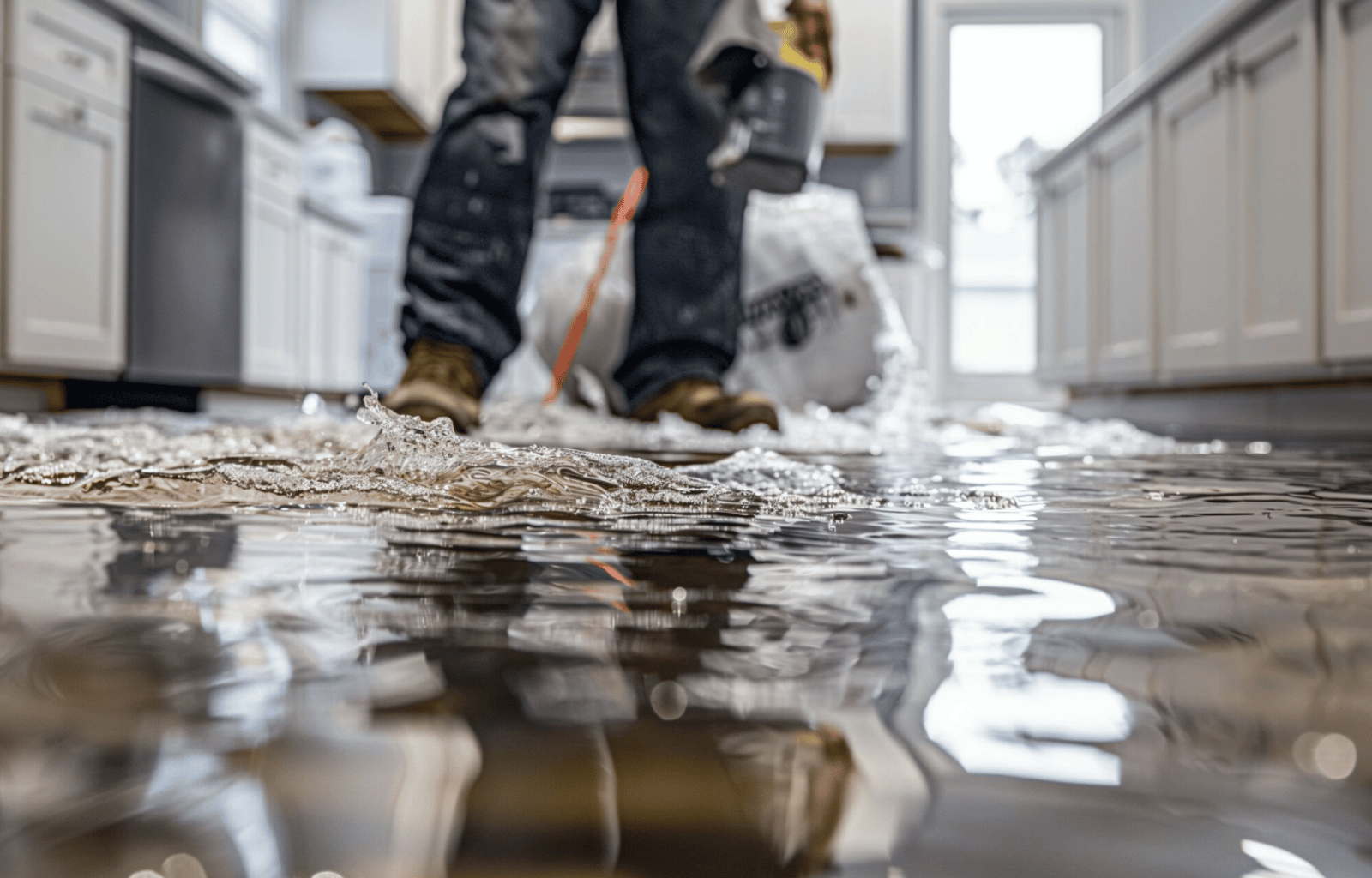
Most Phoenix homeowners rarely think about their crawl space — until something goes wrong. Crawl space water damage is one of the most insidious problems a home can face because it often goes undetected for weeks or even months. By the time you notice the signs, the damage to your home's foundation, structural supports, and indoor air quality can be severe.
In Phoenix, AZ, crawl spaces are particularly vulnerable during monsoon season when sudden downpours overwhelm drainage systems. Plumbing leaks, poor grading, and rising groundwater can also introduce moisture into this hidden area beneath your home. Understanding what causes crawl space flooding and how to respond is essential for protecting your property and your family's health.
What Is a Crawl Space and Why Does It Matter?
A crawl space is the shallow, unfinished area between the ground and the first floor of your home. It typically ranges from 18 inches to 4 feet in height and provides access to plumbing, electrical wiring, HVAC ductwork, and your home's foundation. Many Phoenix homes, especially older ones, were built with crawl spaces instead of full basements or slab foundations.
While crawl spaces serve practical purposes, they're also highly susceptible to moisture intrusion. Because they sit below grade and are often poorly ventilated, any water that enters tends to stay. This creates the perfect environment for mold growth, wood rot, pest infestations, and structural deterioration.
Why Phoenix Crawl Spaces Are at Risk
You might assume that Phoenix's dry desert climate protects crawl spaces from water damage. In reality, several factors make Phoenix homes particularly vulnerable:
- Monsoon flooding: The annual monsoon season from June through September brings intense, sudden rainstorms that can dump inches of rain in hours. Flash flooding regularly overwhelms drainage systems and pushes water under homes.
- Poor soil drainage: Phoenix's caliche soil — a hardpan layer of calcium carbonate common in the Sonoran Desert — doesn't absorb water well. Instead, water pools on the surface and flows laterally, often finding its way into crawl spaces.
- Plumbing leaks: Copper and galvanized pipes in older Phoenix homes corrode over time. A slow leak under the house can saturate the crawl space soil for months before anyone notices.
- Irrigation system runoff: Many Phoenix homes have extensive landscape irrigation. Sprinkler heads pointed toward the foundation or over-watering desert landscaping can drive moisture directly into crawl spaces.
- Inadequate grading: If the ground around your home slopes toward the foundation rather than away from it, rainwater naturally flows under the house.
Common Signs of Crawl Space Water Damage
Since most homeowners don't regularly inspect their crawl spaces, water damage often progresses silently. Here are the warning signs to watch for both inside your home and in the crawl space itself:
Signs You Can See From Inside Your Home
- Musty or earthy odors: A persistent damp smell, especially on the first floor, often indicates moisture below. Mold and mildew produce distinctive musty odors that rise through floorboards and vents.
- Sagging or buckling floors: When floor joists and subflooring absorb moisture, they weaken and warp. If your hardwood or laminate floors feel soft, bouncy, or uneven, crawl space moisture is a likely culprit.
- Higher-than-normal humidity: If your HVAC system struggles to maintain comfortable humidity levels or you notice condensation on windows, excess moisture from the crawl space may be migrating upward.
- Increased allergy symptoms: Mold spores from a damp crawl space circulate through your home's air. If family members experience unexplained respiratory issues, sneezing, or eye irritation, it could be related to hidden mold growth below.
- Pest activity: Termites, cockroaches, rodents, and other pests are attracted to damp environments. An increase in pest sightings may indicate a moisture problem in the crawl space.
Signs Visible in the Crawl Space
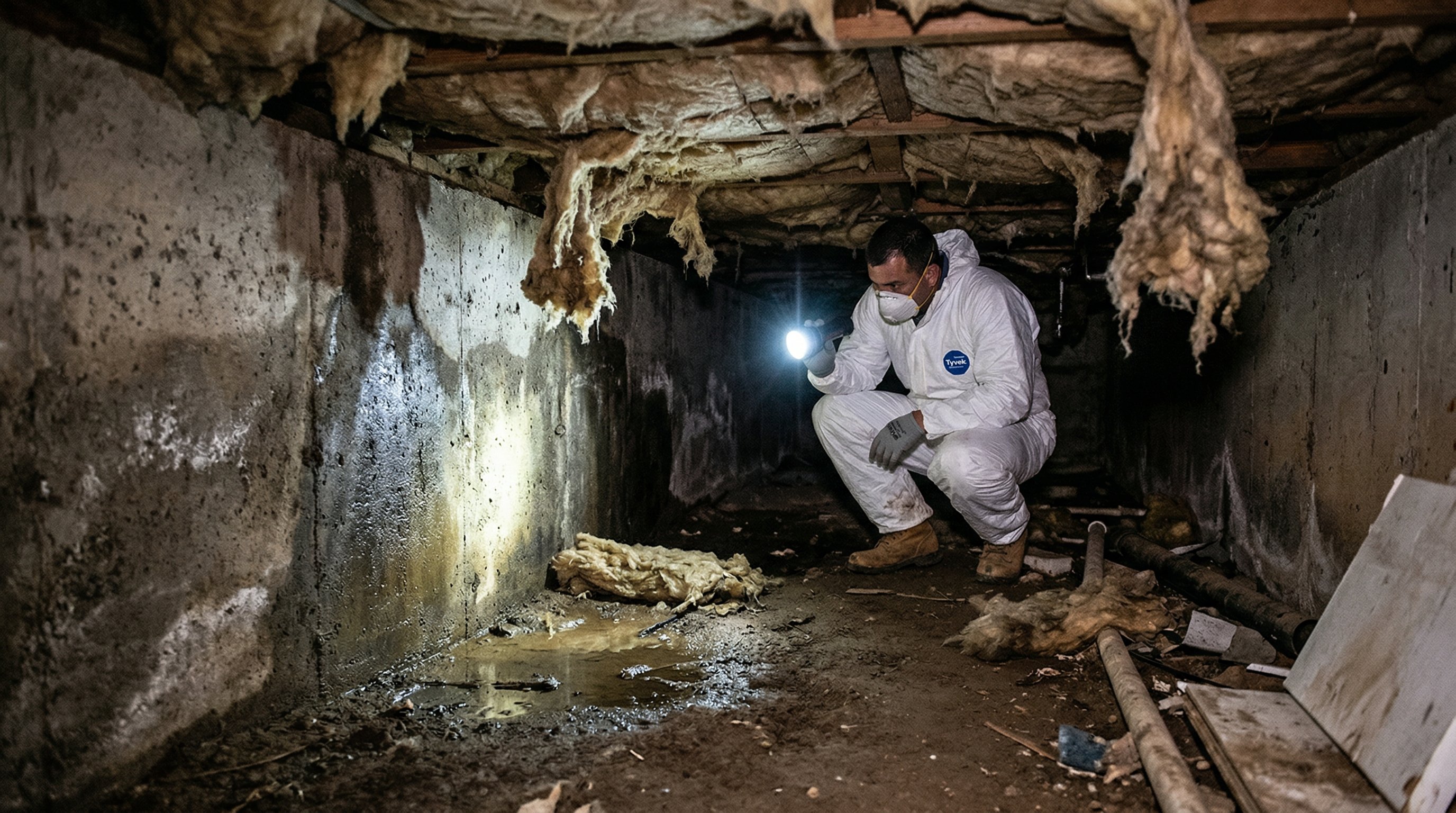
- Standing water or damp soil
- Water stains on foundation walls
- Visible mold or mildew on wood surfaces
- Efflorescence (white mineral deposits) on concrete
- Rusted metal supports or fasteners
- Deteriorating insulation hanging from the subfloor
- Condensation on pipes and ductwork
The Dangers of Ignoring Crawl Space Water Damage
Left unaddressed, crawl space water damage can lead to serious consequences for your home and health:
Structural Damage
The wooden floor joists, beams, and sill plates in your crawl space support your entire home. When these components absorb moisture over time, they begin to rot, weaken, and eventually fail. Repair costs for structural damage can run into tens of thousands of dollars — far more than the cost of early intervention.
Mold Growth
Phoenix's warm temperatures accelerate mold growth once moisture is present. Mold can begin colonizing within 24 to 48 hours in warm, humid conditions. In a dark, enclosed crawl space, mold spreads rapidly across wood surfaces, insulation, and soil. The spores don't stay contained — they enter your living space through gaps, vents, and the stack effect, affecting indoor air quality throughout your home.
Foundation Damage
Persistent moisture causes concrete to deteriorate through a process called spalling. Water also expands and contracts with temperature changes, creating cracks in foundation walls. Over time, this can compromise the structural integrity of your home's foundation and lead to costly foundation repairs.
Increased Energy Costs
A damp crawl space forces your HVAC system to work harder to regulate temperature and humidity. This can increase your energy bills by 15 to 25 percent, according to building science research. Wet insulation loses its effectiveness, further reducing your home's energy efficiency.
Decreased Property Value
Evidence of past or current water damage in the crawl space is a red flag for home inspectors and potential buyers. Unresolved crawl space issues can significantly reduce your home's market value and make it harder to sell.
Professional Crawl Space Water Damage Restoration
When water damage is discovered in your crawl space, professional restoration follows a systematic process to remove moisture, repair damage, and prevent recurrence. Here's what Phoenix Water Damage Restoration's process typically involves:
Step 1: Inspection and Assessment
Our certified technicians perform a thorough moisture mapping assessment of the crawl space using moisture meters, hygrometers, and thermal imaging cameras. We identify the water source, measure the extent of saturation, and document the damage for insurance purposes.
Step 2: Water Extraction
If standing water is present, we deploy submersible pumps and truck-mounted water extraction equipment to remove it. Even after standing water is gone, the soil and structural materials retain significant moisture that must be addressed.
Step 3: Drying and Dehumidification
Industrial-grade dehumidifiers and air movers are strategically placed throughout the crawl space to draw out absorbed moisture. The dehumidification-drying">drying process for crawl spaces typically takes 3 to 5 days, depending on the severity of the water intrusion. Our team monitors moisture levels daily to ensure complete drying.
Step 4: Mold Remediation
If mold is present, we follow IICRC S520 standards for mold remediation. This includes containment, HEPA air filtration, removal of contaminated materials, and antimicrobial treatment of affected surfaces. Our mold risk assessment process ensures no hidden colonies remain.
Step 5: Structural Repairs
Damaged floor joists, sill plates, support beams, and subflooring are repaired or replaced. We use treated lumber and moisture-resistant materials to ensure long-term durability.
Step 6: Preventive Measures
To prevent future water damage, we may recommend and install several protective systems including crawl space encapsulation, vapor barriers, drainage improvements, and sump pumps.
Preventing Crawl Space Water Damage in Phoenix
Prevention is always more cost-effective than restoration. Here are the most effective strategies for keeping your Phoenix crawl space dry:
Crawl Space Encapsulation
Crawl space encapsulation involves installing a heavy-duty moisture barrier across the entire floor and walls of the crawl space. This polyethylene liner prevents ground moisture from evaporating into the space. Combined with a dehumidifier, encapsulation is the gold standard for crawl space moisture control.
Vapor Barrier Installation
A vapor barrier is a lighter-weight alternative to full encapsulation. While it doesn't seal the space completely, a quality 6-mil or thicker polyethylene sheet laid across the crawl space floor significantly reduces moisture migration from the soil.
Improve Exterior Drainage
Ensure the ground around your foundation slopes away from the house at a minimum grade of 6 inches over the first 10 feet. Clean gutters and downspouts regularly, and extend downspout outlets at least 6 feet from the foundation. Consider installing French drains or other exterior drainage solutions to redirect water away from the crawl space.
Fix Plumbing Issues Promptly
Schedule annual plumbing inspections to catch leaks before they cause damage. Pay special attention to pipes running through or near the crawl space. Even a small drip can introduce gallons of water over time.
Install a Sump Pump
For homes in flood-prone areas of Phoenix, a sump pump provides an active defense against water intrusion. The pump activates automatically when water levels rise, redirecting it away from your foundation.
Maintain Landscape Irrigation
Adjust sprinkler heads to spray away from the foundation. Avoid over-watering, especially near the perimeter of your home. Consider drip irrigation instead of spray systems for landscaping close to the house.
Crawl Space Water Damage and Insurance
Whether your homeowner's insurance covers crawl space water damage depends on the cause. Generally:
- Covered: Sudden and accidental events like a burst pipe or appliance malfunction that sends water into the crawl space are typically covered under standard homeowner's policies.
- Not covered: Gradual damage from long-term leaks, poor maintenance, or groundwater seepage is usually excluded. Flood damage from monsoons requires a separate flood insurance policy.
If you're filing a claim, documentation is critical. Understanding your insurance coverage before damage occurs helps you make informed decisions about additional coverage and preventive investments.
When to Call a Professional
While minor moisture issues might be manageable with improved ventilation or a dehumidifier, you should call a professional restoration company if you notice:
- Standing water in the crawl space
- Visible mold growth on any surface
- Sagging, soft, or uneven floors above
- Strong musty odors that persist
- Evidence of structural wood deterioration
- Recent flooding or plumbing failure
Professional restoration ensures the problem is fully resolved — not just the visible symptoms. DIY approaches often miss hidden moisture pockets that lead to recurring issues.
Frequently Asked Questions
How much does crawl space water damage restoration cost in Phoenix?
Costs vary based on the extent of damage, but most crawl space restoration projects in Phoenix range from $1,500 to $10,000. Simple water extraction and drying may cost $1,500 to $3,000, while projects requiring mold remediation, structural repair, or encapsulation can reach $7,000 to $10,000 or more. Phoenix Water Damage Restoration provides free assessments and detailed estimates.
Can I fix crawl space water damage myself?
Minor moisture issues like condensation may be manageable with a consumer-grade dehumidifier. However, standing water, mold growth, or structural damage requires professional equipment and expertise. Improper cleanup can worsen the problem and create health hazards from mold exposure.
How long does it take to dry out a wet crawl space?
With professional equipment, most crawl spaces can be dried within 3 to 5 days. Severely saturated spaces with contaminated soil may take longer. Our technicians monitor moisture levels throughout the process to confirm complete drying before the job is considered finished.
Does crawl space encapsulation prevent all water damage?
Encapsulation is highly effective at preventing ground moisture from entering the crawl space, but it doesn't protect against all water sources. Plumbing leaks above the barrier, flooding from exterior water intrusion, or HVAC condensation can still cause problems. Encapsulation works best as part of a comprehensive moisture management strategy.
How often should I inspect my crawl space?
Phoenix homeowners should inspect their crawl space at least twice a year — once before monsoon season begins in June and once after it ends in September. Additionally, check after any major storm event or if you notice signs of moisture inside your home.
Protect Your Phoenix Home From Below
Crawl space water damage may be out of sight, but it should never be out of mind. The structural integrity of your home, the quality of your indoor air, and the value of your property all depend on keeping this critical space dry and well-maintained.
If you suspect water damage in your crawl space — or simply want a professional assessment to ensure everything is in good condition — don't wait. Early detection and intervention save thousands in repair costs and protect your family's health.
Phoenix Water Damage Restoration is a trusted choice for commercial & residential water damage restoration in Phoenix, AZ, delivering fast response times, expert drying, and full-service restoration.
Call Us 24/7: (623) 300-3108
Easy steps to create a color palette
Lorem ipsum dolor sit amet, consectetur adipiscing elit lobortis arcu enim urna adipiscing praesent velit viverra sit semper lorem eu cursus vel hendrerit elementum morbi curabitur etiam nibh justo, lorem aliquet donec sed sit mi dignissim at ante massa mattis.
- Neque sodales ut etiam sit amet nisl purus non tellus orci ac auctor
- Adipiscing elit ut aliquam purus sit amet viverra suspendisse potent
- Mauris commodo quis imperdiet massa tincidunt nunc pulvinar
- Excepteur sint occaecat cupidatat non proident sunt in culpa qui officia
What is a color palette?
Vitae congue eu consequat ac felis placerat vestibulum lectus mauris ultrices cursus sit amet dictum sit amet justo donec enim diam porttitor lacus luctus accumsan tortor posuere praesent tristique magna sit amet purus gravida quis blandit turpis.

Don’t overspend on growth marketing without good retention rates
At risus viverra adipiscing at in tellus integer feugiat nisl pretium fusce id velit ut tortor sagittis orci a scelerisque purus semper eget at lectus urna duis convallis porta nibh venenatis cras sed felis eget neque laoreet suspendisse interdum consectetur libero id faucibus nisl donec pretium vulputate sapien nec sagittis aliquam nunc lobortis mattis aliquam faucibus purus in.
- Neque sodales ut etiam sit amet nisl purus non tellus orci ac auctor
- Adipiscing elit ut aliquam purus sit amet viverra suspendisse potenti
- Mauris commodo quis imperdiet massa tincidunt nunc pulvinar
- Adipiscing elit ut aliquam purus sit amet viverra suspendisse potenti
What’s the ideal customer retention rate?
Nisi quis eleifend quam adipiscing vitae aliquet bibendum enim facilisis gravida neque euismod in pellentesque massa placerat volutpat lacus laoreet non curabitur gravida odio aenean sed adipiscing diam donec adipiscing tristique risus amet est placerat in egestas erat.
“Lorem ipsum dolor sit amet consectetur adipiscing elit, sed do eiusmod tempor incididunt ut labore et dolore magna aliqua enim ad minim veniam.”
Next steps to increase your customer retention
Eget lorem dolor sed viverra ipsum nunc aliquet bibendum felis donec et odio pellentesque diam volutpat commodo sed egestas aliquam sem fringilla ut morbi tincidunt augue interdum velit euismod eu tincidunt tortor aliquam nulla facilisi aenean sed adipiscing diam donec adipiscing ut lectus arcu bibendum at varius vel pharetra nibh venenatis cras sed felis eget.