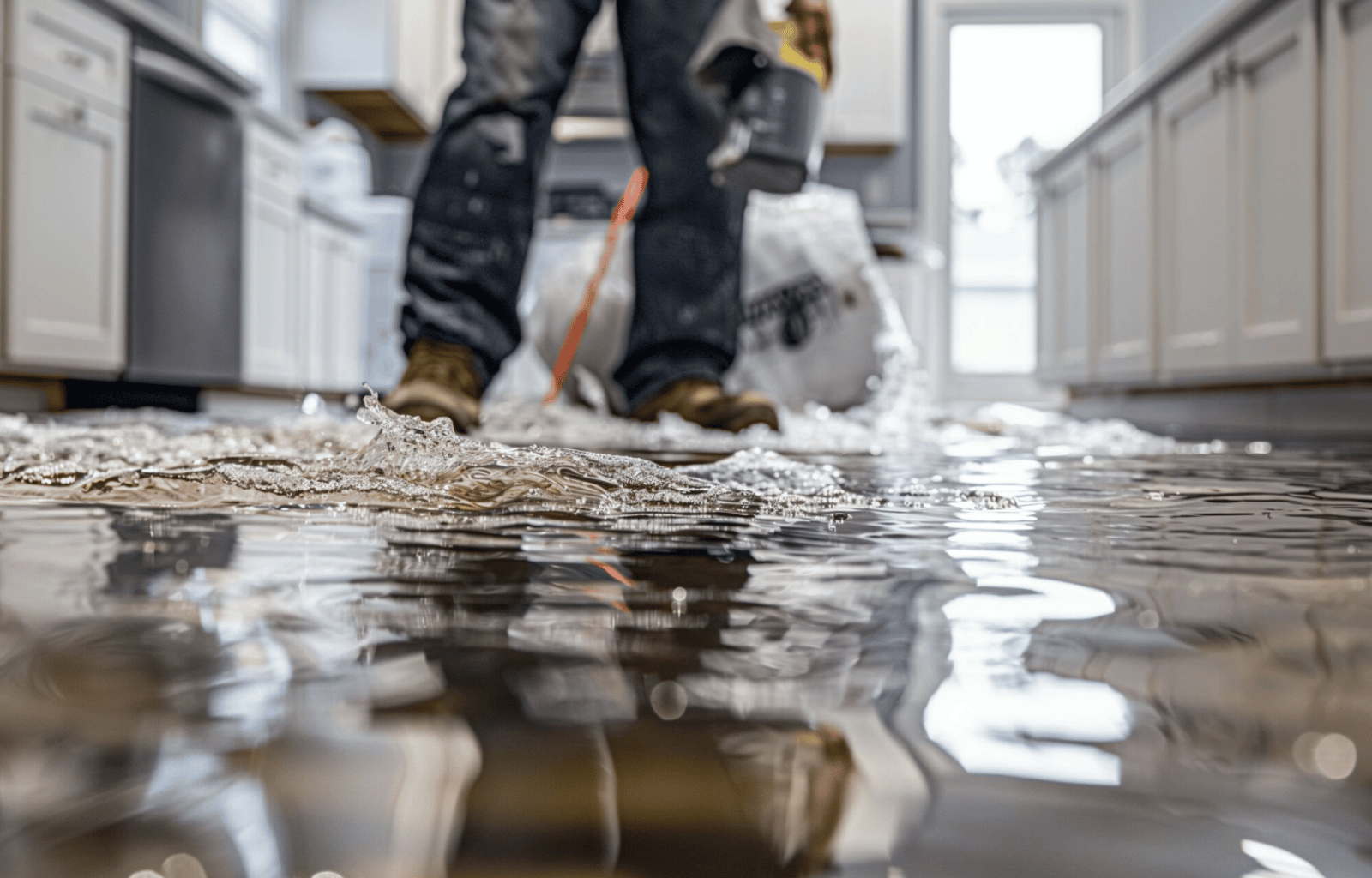

Not all water damage is created equal. When floodwaters carry raw sewage, overflow from rivers and canals, or back up from municipal drain systems during Phoenix monsoon events, the result is what restoration professionals classify as Category 3 water damage — commonly called black water. Black water damage in Phoenix is a genuine health emergency, not just a property damage issue, and it requires immediate professional intervention.
This guide explains exactly what black water is, why it is so dangerous, how it occurs in Phoenix, AZ, and what the professional cleanup process looks like so you can protect your family and your home.
What Is Black Water Damage? Understanding Category 3 Water
The water damage restoration industry classifies water intrusion into three categories based on contamination level:
Black water gets its classification from its contamination profile, not necessarily its color. Floodwater from a Phoenix monsoon storm that has traveled across streets, parking lots, and open land is Category 3 — even if it appears relatively clear. It has collected bacteria, chemical runoff, animal waste, and other hazardous material along the way.
Common Causes of Black Water Damage in Phoenix, AZ
Sewage Backup and Overflow
One of the most frequent sources of black water damage in Phoenix homes is sewage backup. This occurs when the municipal sewer system becomes overwhelmed — a common occurrence during intense monsoon rainfall — or when a private sewer line becomes blocked or collapses. Sewage can back up through floor drains, toilets, bathtubs, and sinks, flooding lower levels of the home with Category 3 contaminated water.
Even a small sewage backup event involves raw human waste, meaning the affected area is immediately classified as a biohazard zone requiring professional sewage backup cleanup.
Monsoon Flooding and Stormwater Intrusion
Phoenix's monsoon season, which runs roughly from mid-June through September, brings intense thunderstorms that can dump several inches of rain in a matter of hours. Phoenix's urban landscape — with vast paved surfaces, limited natural drainage, and wash systems that can surge rapidly — concentrates this water quickly.
Stormwater that enters a home through flood conditions is Category 3 regardless of what it looks like. It has traveled over roadways, collected agricultural and industrial runoff, and potentially mixed with sewer overflows. Treating monsoon floodwater as a Category 1 or 2 situation is a serious mistake with real health consequences.
Rising Groundwater and Canal Overflows
In parts of the Phoenix metro area near the Salt River, canals, or low-lying areas, rising groundwater and canal overflows during major storm events can introduce Category 3 water into crawl spaces, slab penetrations, and basements. This type of flooding is particularly challenging because the water source may not be obvious and can persist even after surface flooding recedes.
Contaminated Appliance Failures
Washing machine failures that involve wastewater return lines, dishwasher drain backups, and certain HVAC condensate drain situations can also produce Category 2 water that rapidly degrades to Category 3 if left standing, especially in Phoenix's warm temperatures where bacteria multiply quickly.
Health Risks of Black Water Exposure in Phoenix
The health risks associated with black water exposure are extensive and serious. The contamination in Category 3 water can include:
Bacterial Pathogens
Raw sewage contains extremely high concentrations of bacteria including E. coli, Salmonella, Shigella, and Campylobacter. These organisms can cause severe gastrointestinal illness, urinary tract infections, and in vulnerable populations — children, the elderly, and immunocompromised individuals — can lead to life-threatening complications.
Viral Contamination
Black water can contain hepatitis A virus, norovirus, rotavirus, and other viral pathogens that cause severe illness. These viruses can survive on surfaces for days to weeks after the water has been removed, making surface disinfection an essential part of the cleanup process — not just water removal.
Parasitic Organisms
Giardia and Cryptosporidium are parasitic organisms commonly found in contaminated water that can cause prolonged intestinal illness. They are resistant to some standard disinfectants, requiring specific antimicrobial protocols.
Chemical Contaminants
Stormwater that has traveled across Phoenix roadways, parking lots, and commercial areas collects petroleum products, heavy metals, pesticides, and other chemical hazards. These substances can cause skin irritation, respiratory symptoms, and longer-term health effects with repeated exposure.
Mold Proliferation Risk
Black water damage situations carry an accelerated mold risk. The organic matter in contaminated water serves as a nutrient source for mold, and Phoenix's warm temperatures accelerate spore germination. Mold can begin to grow within 24–48 hours in black water damage scenarios, meaning time is critical.
Why DIY Cleanup of Black Water Damage Is Dangerous
Many Phoenix homeowners instinctively reach for mops, wet/dry vacuums, and fans when they find water in their home. For Category 1 clean water situations, limited DIY intervention may be appropriate. For black water damage, it is genuinely dangerous and can make the situation significantly worse.
Exposure Without Proper PPE
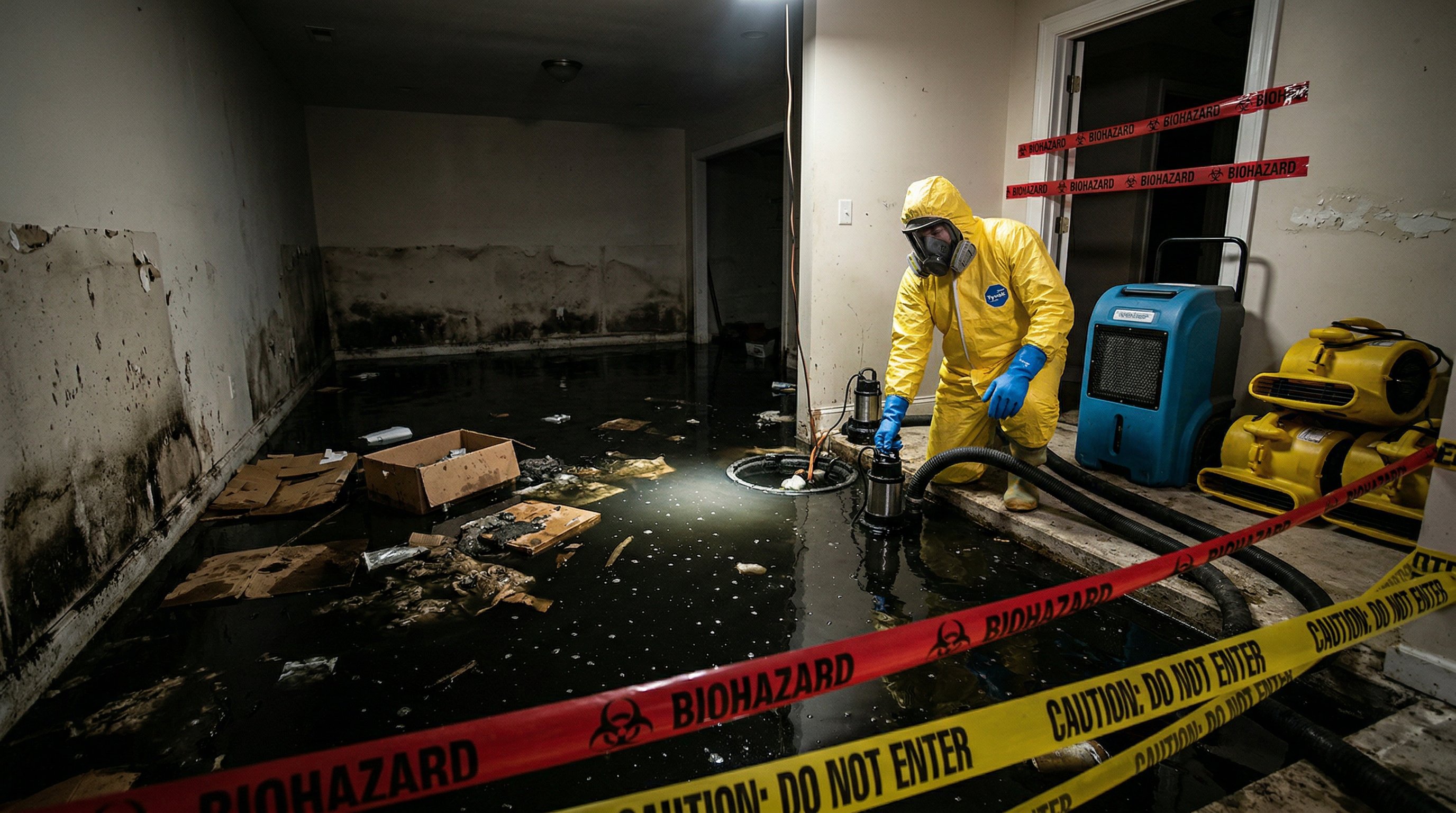
Entering a black water environment without appropriate personal protective equipment — Tyvek suits, N95 or P100 respirators, chemical-resistant gloves, and eye protection — puts you at direct risk of pathogen and chemical exposure. Splashing, aerosolization of contaminated water droplets, and surface contact are all exposure routes.
Spread of Contamination
Moving through a black water area without containment protocols can spread contamination to unaffected areas of your home. Tracking contaminated water on shoes or moving items from affected to unaffected areas expands the remediation zone significantly.
Inadequate Disinfection
Consumer-grade cleaning products are not rated for the contamination levels present in black water. Professional contaminated water cleanup uses EPA-registered antimicrobial solutions at proper concentrations, applied by trained technicians who know dwell times, application methods, and verification procedures.
Hidden Contamination Remaining
Black water contaminates more than what is visible. It penetrates drywall, wicks into insulation, soaks into subfloor materials, and can travel along wall cavities. Without professional moisture mapping and thermal imaging, contaminated material left in place will continue to harbor pathogens and fuel mold growth long after surfaces appear clean and dry.
The Professional Black Water Cleanup Process
When Phoenix Water Damage Restoration responds to a black water damage situation in Phoenix, AZ, our certified technicians follow IICRC S500 and S520 protocols for Category 3 contaminated water remediation. Here is what the process involves:
Step 1: Safety Assessment and Containment
Before any work begins, technicians assess electrical hazards, structural integrity, and the full extent of contamination. Affected areas are contained using physical barriers and negative air pressure where necessary to prevent cross-contamination of clean areas.
Step 2: Personal Protective Equipment and Biohazard Protocols
All technicians working in Category 3 environments wear full PPE. This is non-negotiable. Any company that enters a black water environment without proper PPE is not following professional standards.
Step 3: Water Extraction
Commercial-grade extraction equipment removes standing contaminated water rapidly. Unlike clean water extraction, black water extraction requires special handling of the removed water to ensure proper disposal in accordance with local regulations.
Step 4: Controlled Demolition
IICRC standards require removal of porous materials that have been saturated with Category 3 water. This typically includes drywall, insulation, carpet and pad, and in some cases subfloor materials. These materials cannot be effectively disinfected and must be removed to prevent continued pathogen and mold risk. Attempting to save porous materials in a black water situation compromises the entire remediation.
Step 5: Antimicrobial Treatment and Disinfection
All structural surfaces that came into contact with black water — framing, concrete, tile, and non-porous materials — are cleaned, disinfected with EPA-registered antimicrobials, and allowed to dry. Multiple applications are standard for heavily contaminated areas.
Step 6: Structural Drying and Verification
With contaminated materials removed and surfaces disinfected, industrial dehumidification and drying equipment is deployed to bring remaining structural materials to appropriate moisture content levels. Daily monitoring documents drying progress.
Step 7: Air Quality Management
HEPA air scrubbers run throughout the remediation process to capture airborne particulates including mold spores and contaminant particles. Post-remediation air quality testing may be recommended depending on the scope of contamination.
Step 8: Clearance and Reconstruction
Once the area achieves clearance standards, reconstruction can begin. Framing is drywalled, flooring is replaced, and the home is returned to pre-loss condition.
Black Water Damage and Phoenix Homeowners' Insurance
Coverage for black water damage depends heavily on the cause and your specific policy. In general:
Read our detailed guide on what insurance covers for water damage in Phoenix before you assume coverage — and document everything thoroughly for your claim regardless of your policy specifics.
Frequently Asked Questions About Black Water Damage in Phoenix
What makes Category 3 water different from regular floodwater?
Category 3 (black water) is classified by its contamination level, not its origin or appearance. Any water that has been exposed to sewage, carried across contaminated surfaces, or come from a source with known biological or chemical hazards is Category 3. This includes Phoenix monsoon floodwater, sewage backups, and water from heavily contaminated sources. The classification determines the level of PPE, demolition scope, and disinfection protocols required.
Can I enter my home after black water flooding?
You should not enter a home with active black water flooding without appropriate protective equipment. If the flooding has receded and you need to retrieve essential items, wear rubber boots, gloves, and avoid touching your face. Wash thoroughly afterward. Limit your time in the affected area and keep children and pets completely out until professional remediation is complete and clearance is achieved.
How long does black water remediation take in Phoenix?
The timeline depends on the extent of contamination and affected area. A contained sewage backup in a single bathroom may take 3–5 days for full remediation. A significant monsoon flood affecting multiple rooms can take 1–3 weeks for full remediation and drying before reconstruction can begin. Reconstruction time is additional. Phoenix's warm temperatures accelerate drying but also accelerate mold growth if remediation is delayed, making fast response critical.
Is the smell of sewage enough to know if water is Category 3?
Sewage odor is a strong indicator of Category 3 contamination, but black water is not always identifiable by smell. Stormwater that traveled through storm drains and across paved surfaces may not smell strongly of sewage but still contains pathogens and chemical contaminants that classify it as Category 3. Always err on the side of caution and treat any floodwater or backup situation as Category 3 until a professional assessment says otherwise.
What about mold after a black water event in Phoenix?
Mold is a near-certainty if black water damage is not addressed immediately. The organic material in black water provides nutrients that, combined with Phoenix's consistently warm temperatures, create ideal conditions for rapid mold colonization. Professional mold risk assessment should be part of any black water remediation, and ongoing monitoring is recommended in the weeks following completion.
Do I need to replace all flooring after black water damage?
In virtually all black water situations, porous flooring materials including carpet, carpet pad, and often hardwood flooring must be removed. Tile and sealed concrete may be salvageable if properly disinfected. This is not a cost-cutting decision but a health and safety requirement — porous materials saturated with Category 3 water cannot be disinfected to a safe standard and will harbor pathogens and fuel mold growth if left in place.
Protect Your Family: Act Fast on Black Water Damage
Black water damage in Phoenix, AZ is one of the most urgent home emergencies a homeowner can face. The combination of pathogen exposure risk, mold acceleration in Phoenix's warm climate, and the complexity of proper remediation means this is never a situation for amateur cleanup or delayed response. Every hour matters for both health protection and limiting the scope of damage.
Phoenix Water Damage Restoration is a trusted choice for commercial & residential water damage restoration in Phoenix, AZ, delivering fast response times, expert drying, and full-service restoration.
Call Us 24/7: (623) 300-3108
Easy steps to create a color palette
Lorem ipsum dolor sit amet, consectetur adipiscing elit lobortis arcu enim urna adipiscing praesent velit viverra sit semper lorem eu cursus vel hendrerit elementum morbi curabitur etiam nibh justo, lorem aliquet donec sed sit mi dignissim at ante massa mattis.
- Neque sodales ut etiam sit amet nisl purus non tellus orci ac auctor
- Adipiscing elit ut aliquam purus sit amet viverra suspendisse potent
- Mauris commodo quis imperdiet massa tincidunt nunc pulvinar
- Excepteur sint occaecat cupidatat non proident sunt in culpa qui officia
What is a color palette?
Vitae congue eu consequat ac felis placerat vestibulum lectus mauris ultrices cursus sit amet dictum sit amet justo donec enim diam porttitor lacus luctus accumsan tortor posuere praesent tristique magna sit amet purus gravida quis blandit turpis.

Don’t overspend on growth marketing without good retention rates
At risus viverra adipiscing at in tellus integer feugiat nisl pretium fusce id velit ut tortor sagittis orci a scelerisque purus semper eget at lectus urna duis convallis porta nibh venenatis cras sed felis eget neque laoreet suspendisse interdum consectetur libero id faucibus nisl donec pretium vulputate sapien nec sagittis aliquam nunc lobortis mattis aliquam faucibus purus in.
- Neque sodales ut etiam sit amet nisl purus non tellus orci ac auctor
- Adipiscing elit ut aliquam purus sit amet viverra suspendisse potenti
- Mauris commodo quis imperdiet massa tincidunt nunc pulvinar
- Adipiscing elit ut aliquam purus sit amet viverra suspendisse potenti
What’s the ideal customer retention rate?
Nisi quis eleifend quam adipiscing vitae aliquet bibendum enim facilisis gravida neque euismod in pellentesque massa placerat volutpat lacus laoreet non curabitur gravida odio aenean sed adipiscing diam donec adipiscing tristique risus amet est placerat in egestas erat.
“Lorem ipsum dolor sit amet consectetur adipiscing elit, sed do eiusmod tempor incididunt ut labore et dolore magna aliqua enim ad minim veniam.”
Next steps to increase your customer retention
Eget lorem dolor sed viverra ipsum nunc aliquet bibendum felis donec et odio pellentesque diam volutpat commodo sed egestas aliquam sem fringilla ut morbi tincidunt augue interdum velit euismod eu tincidunt tortor aliquam nulla facilisi aenean sed adipiscing diam donec adipiscing ut lectus arcu bibendum at varius vel pharetra nibh venenatis cras sed felis eget.